For fragrance and home décor brands, diffuser bottles are more than containers. They influence scent diffusion, brand perception, shelf presence, and even repeat purchase behavior.
Yet many brands approach diffuser bottle customization with only surface-level decisions—choosing a shape or color without fully understanding how size, glass thickness, finish, and branding methods affect cost, production, and long-term scalability.
As a factory-direct glass packaging manufacturer, we work with brands at every stage—from first-time launches to global bulk programs. This guide breaks down diffuser bottle customization in a clear, practical way, so you can make confident decisions that align with both branding and manufacturing realities.
1. Choosing the Right Diffuser Bottle Size
Size selection is the foundation of diffuser bottle design. It impacts fragrance longevity, packaging cost, and target market positioning.
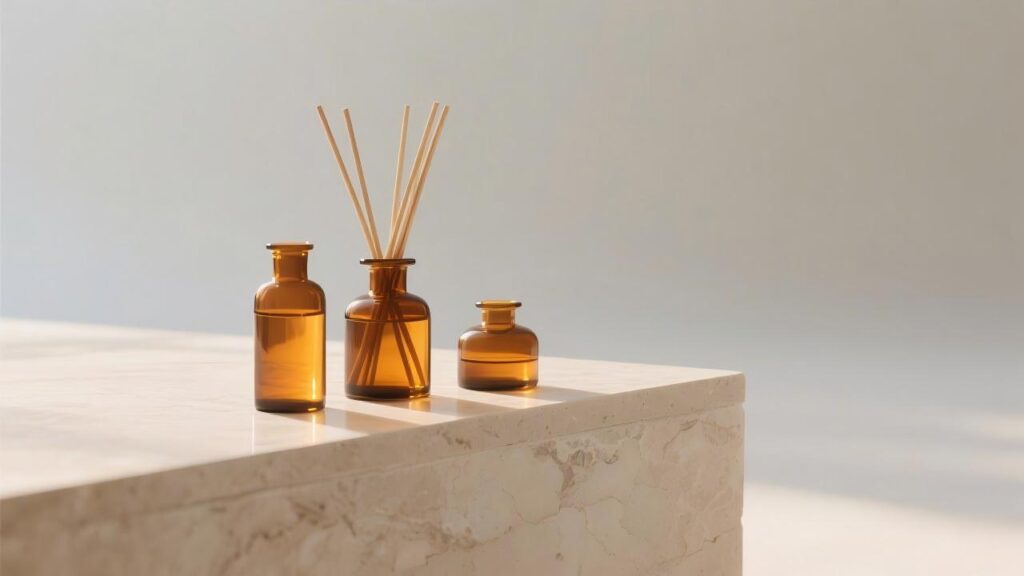
Common diffuser bottle sizes include:
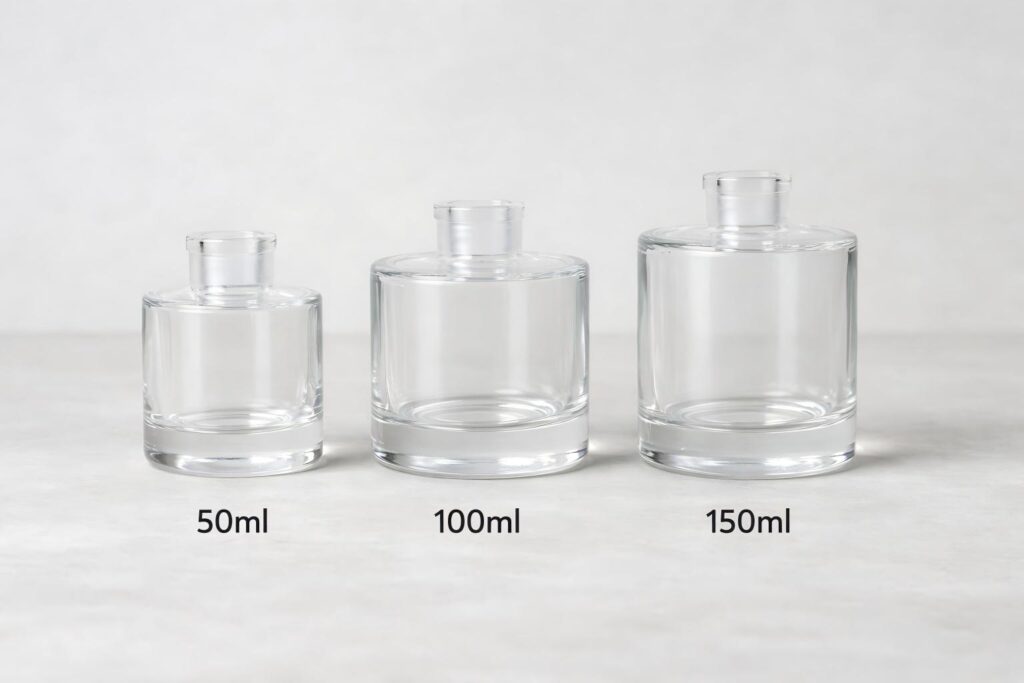
- 50ml – compact, gift-oriented, or travel collections
- 100ml – the most popular size for retail diffuser products
- 150ml – premium home décor lines
- 200ml+ – statement pieces or luxury interior fragrances
Smaller bottles are ideal for entry-level products or seasonal releases, while larger formats communicate luxury and longer-lasting value.
From a factory perspective, standard sizes typically offer:
- Faster production timelines
- Lower mold and setup costs
- Easier future reorders
Custom capacities are possible, but brands should confirm minimum order quantities and tooling requirements before committing.
2. Glass Color Options and Their Impact
Glass color affects both aesthetics and fragrance performance.
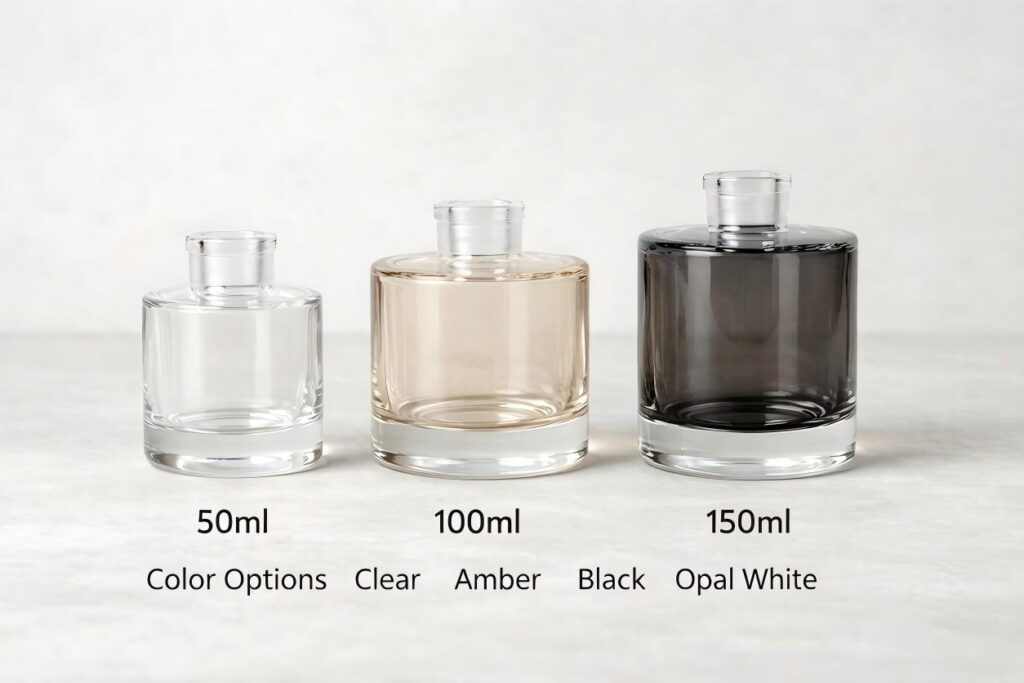
Popular diffuser bottle colors include:
- Clear glass for minimal, modern branding
- Amber glass for UV protection and warm tones
- Black or smoked glass for luxury positioning
- Opal white for soft, premium presentation
Beyond appearance, darker glass helps reduce light exposure, which can be beneficial for fragrance stability—especially for essential oil–based diffusers.
When selecting colors, brands should also consider:
- Color consistency across bulk orders
- Compatibility with branding methods
- Lead times for custom color batches
Factory-made colored glass offers better durability than sprayed finishes, particularly for high-volume programs.
3. Surface Finishes That Elevate Brand Value
Surface finish is one of the most underrated customization elements, yet it dramatically changes how a diffuser bottle feels in hand.
Common finishes include:
- Frosted or satin glass for a soft-touch look
- Glossy finishes for clean, contemporary brands
- Matte coatings for modern luxury aesthetics
Frosted finishes are especially popular in the fragrance market because they:
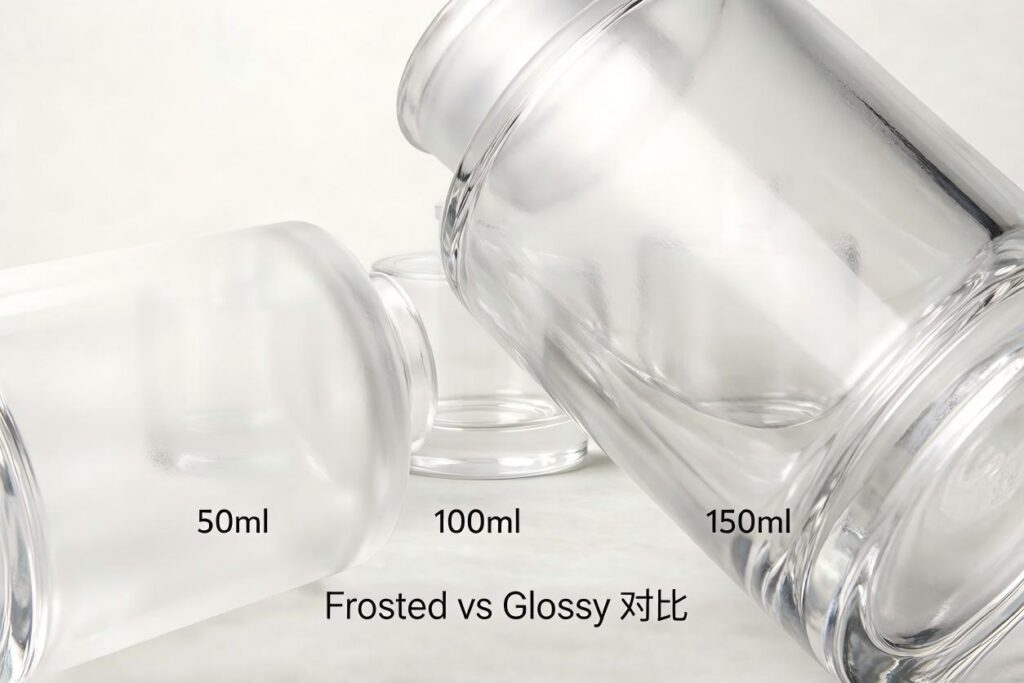
- Reduce fingerprints
- Diffuse light beautifully
- Pair well with minimal labeling
From a manufacturing standpoint, finishes should be selected based on durability, cost, and branding method compatibility—not visuals alone.
4. Branding Options: From Minimal to Statement Design
Branding turns a diffuser bottle into a recognizable product.
Most-used branding methods include:
- Silk screen printing for durable logos and text
- Hot stamping for metallic accents
- Applied labels for flexible, small-batch launches
Screen printing is often preferred for long-term programs because it offers:
- Excellent durability
- Consistent brand presentation
- Lower per-unit cost at scale
For brands planning multiple SKUs, aligning branding methods across diffuser bottles, perfume bottles, and candle vessels helps maintain a cohesive product line.
5. Matching Diffuser Bottles with Other Packaging
Successful fragrance brands think in collections, not single products.
Many of our clients align their diffuser bottle designs with:
- Candle jars or candle vessels
- Perfume bottles
- Room spray containers
Using consistent glass colors, finishes, and branding styles strengthens shelf presence and simplifies future expansions.
This is especially important for brands operating across fragrance and home décor categories.
6. Manufacturing Considerations Brands Often Overlook
From the factory floor, we often see issues that could have been avoided early.
Before finalizing your diffuser bottle design, consider:
- Wall thickness and weight for shipping safety
- Neck compatibility with diffuser caps and reeds
- Batch-to-batch color consistency
- Quality control standards for bulk orders
A diffuser bottle that looks perfect in samples but fails in mass production can delay launches and increase costs.
Working directly with a manufacturer allows brands to test designs under real production conditions—not just sample-level aesthetics.
7. Custom vs Standard Diffuser Bottles: What’s Right for You?
Standard diffuser bottles work best for:
- Fast launches
- Lower MOQs
- Proven, repeatable designs
Custom diffuser bottles make sense when:
- Branding differentiation is critical
- You are scaling long-term
- Packaging is part of the luxury experience
Many brands start with standard molds and introduce custom designs once sales volume justifies the investment.
The lifespan of a fragrance isn’t just about the oil quality—it’s about the physics of the container. The neck diameter and liquid volume of your bottle determine how long the scent lasts in a customer’s home. Learn how to balance evaporation rates with bottle capacity in our guide: [Choosing the Right Diffuser Bottle Size for Maximum Scent Longevity].
Final Thoughts: Designing Diffuser Bottles That Scale
Custom glass diffuser bottles are not just about visual appeal. The right choices in size, color, finish, and branding can reduce costs, improve consistency, and strengthen brand recognition over time.
Approaching customization from a factory-informed perspective helps brands avoid common pitfalls and build packaging systems that grow with them.
Whether you are launching a new fragrance line or refining an existing one, understanding how diffuser bottles are designed and manufactured gives you a lasting advantage.