Practical Glass Packaging Knowledge — From Factory Floor to Finished Brand
 April 24, 2026
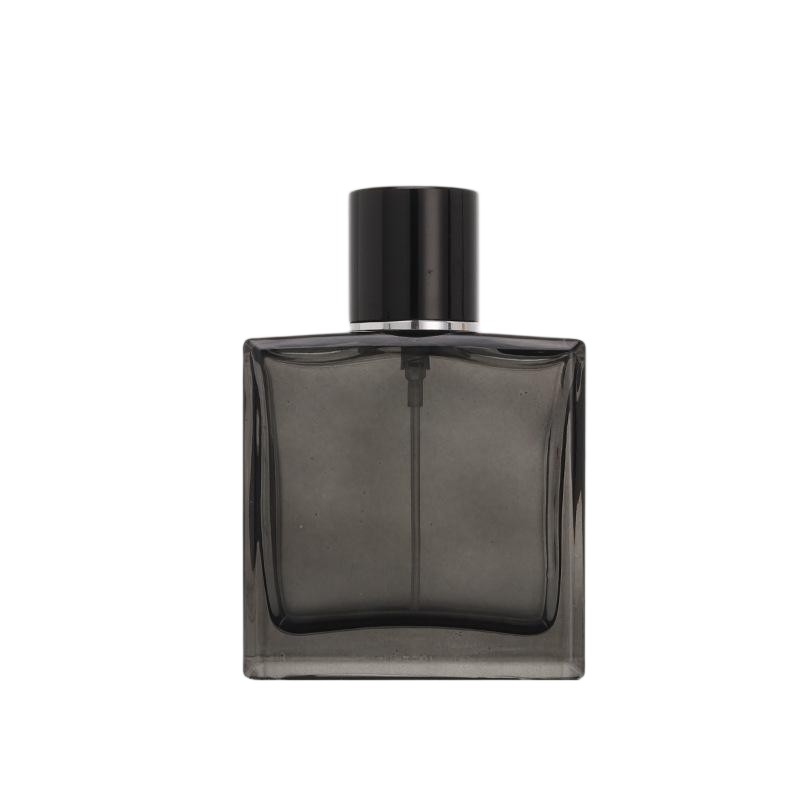
IntroductionFor DTC perfume brands and procurement leads: a bottle is more than packaging—it’s part of the fragrance, the filling line, and the unboxing experience. Below are seven practical factors to evaluate when sourcing luxury glass bottles in bulk, with clear acceptance checks and image suggestions you can use directly on a product page or supplier brief. Glass Clarity and Material Grade Why it matters: Low-iron glass gives the high transparency and pure color expected in luxury bottles; material impurities, bubbles, and color casts undermine perceived quality. Wall thickness uniformity affects optical clarity and drop resistance.Actionable checks: Request a material certificate (composition/low-iron spec); inspect samples backlit at ~3 meters for bubbles, striae, and color banding; measure wall-thickness variance across 10 points (target variance ≤ ±0.15 mm as a guideline).Image suggestion: Three backlit photos — standard glass vs low-iron vs defective sample. Compatibility with Pump and Cap Why it matters: Poor fit causes leaks, misfires, and returns. Sealing surfaces and gasket materials must be compatible with your fragrance formula.Actionable checks: Verify neck finish (e.g., 15/400, 13/425) and thread profile against pump/cap specs; run 100-cycle spray and drop tests; soak samples with formula for 72 hours to check chemical compatibility of gaskets/liners.Image suggestion: Cross-sectional shot showing neck, gasket, and pump interface; infographic of the spray test setup. Customization Capability vs. Scalability Why it matters: Heavily customized finishes (multicolor coatings, hand-polished facets, metal collars) raise tooling costs, MOQ and lead time. Balance brand desirability with repeatable production.Actionable checks: Get tooling cost, MOQ, per-unit cost at target volumes (e.g., 1k / 5k / 10k); request first-article photos and a short pre-production run (100–500 units) to verify finish consistency.Image suggestion: Side-by-side of prototype vs mass-run batch highlighting finish consistency. Precision in Neck Finish and Tolerances Why it matters: Small variations in neck OD/ID or finish angle…
 March 18, 2026
When sourcing for high-end fragrance lines, the reputation of your perfume Bottle manufacturers is your first line of defense against product evaporation and brand dilution. Germany remains the global hub for “High-Flint” glass engineering, where tolerances are measured in microns rather than millimeters. This 2026 directory evaluates the leading German perfume bottle manufacturers, providing the technical benchmarks you need to ensure your fragrance stays as fresh as the day it was bottled. 1. Gerresheimer AG Gerresheimer is a global powerhouse in pharmaceutical and cosmetic glass. They are the “Gold Standard” for technical stability. Website Product Image Factory Images 2. Heinz-Glas GmbH & Co. KGaA A family-owned giant with over 400 years of history. They are the masters of “Luxury Decoration.” Website Product Images Factory Images 3. Stoelzle Glass Group (Stoelzle Lausitz) While Stoelzle is headquartered in Austria, their German facility in Lausitz is a cornerstone of European prestige glass. Website Product Images 4. Noelle von Campe Known for their high-performance automated production and innovative neck finishes. Website 5. Wiegand-Glas A specialist in high-tech container glass with a growing presence in the cosmetic sector. Website Comparative Analysis: German Standards vs. Global Wholesale Benchmark German Industry Standard Standard Wholesale Grade Neck Tolerance ±0.1 mm to ±0.15 mm ±0.4 mm to ±0.6 mm Sustainability Electric Furnaces / PCR Glass Coal-fired / Virgin Material only Glass Clarity Ultra-High Flint (Optical Grade) Standard Soda-Lime (Green tint) Leakage Risk Near Zero (Precision Snap/Crimp) 2-3% (Manual QC only) Altruistic Sourcing Advice: Why STD Glass Adopts the “German Model” While the Top 5 German factories are exceptional, their Minimum Order Quantities (MOQs) often exceed 50,000 units, and their lead times can be 6-9 months. At STD Glass, we operate with an Altruistic Hybrid Model: Summary for 2026 Procurement If your project requires the absolute highest pharmaceutical stability, the…
 March 13, 2026
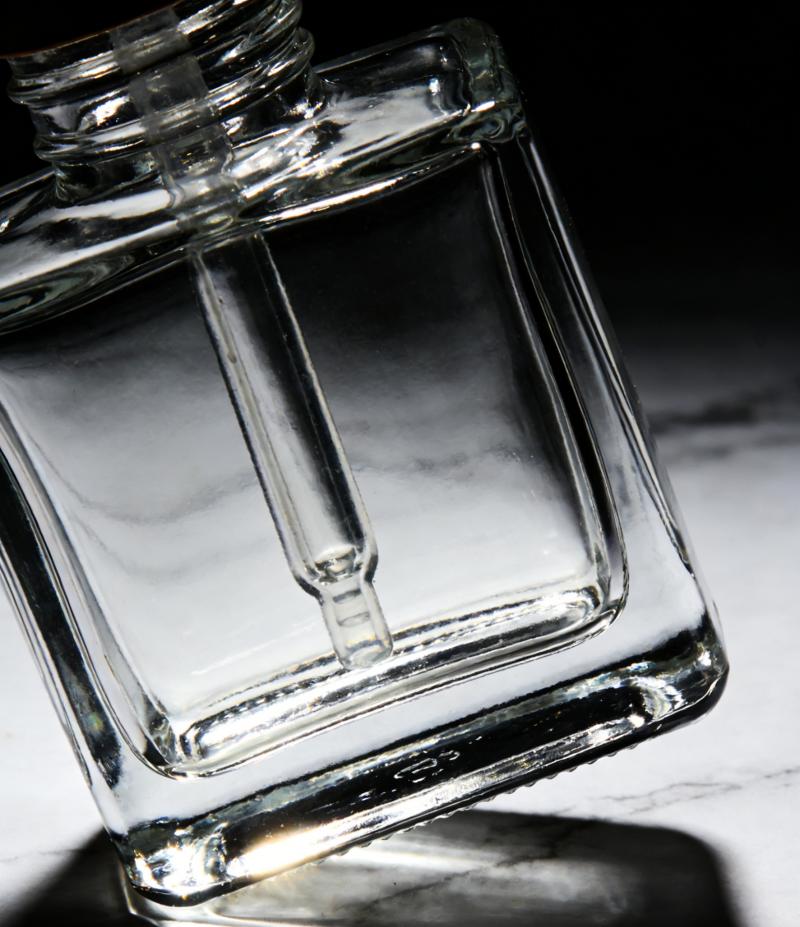
In the luxury fragrance sector, the “speed-to-market” vs. “design-complexity” trade-off is often cited as an unavoidable bottleneck. Most manufacturers demand 90 to 120 days for a completely bespoke glass vessel. For a brand launching a seasonal collection or responding to a sudden market trend, that timeline is a liability. At STD GLASS, we recently completed a project for a boutique North American fragrance brand that required a custom 50ml high-flint glass bottle—with a unique rectangular footprint and weighted base—delivered in 45 days. This was not achieved by cutting corners. It was achieved by collapsing the traditional “siloed” manufacturing steps into a synchronized technical workflow. Phase 1: The Engineering Audit (Days 1–5) The Problem: The client provided a hand-drawn sketch and a rough 3D file that lacked “manufacturability.” The wall thickness was inconsistent, which would have led to optical distortion and cooling stress. The Solution: Instead of a generic sales response, our engineering team performed a stress-distribution analysis. We modified the internal shoulder radius to ensure smooth glass flow during the blowing process. By Day 5, we provided a production-ready technical drawing. Visual Recommendation: Place a side-by-side comparison image here. Left: The original hand sketch. Right: The professional CAD drawing with technical dimensions and tolerance callouts. Phase 2: Rapid Prototyping & Physical Verification (Days 6–15) Traditional wooden or resin molds take weeks. We utilized 3D-printed high-density resin prototypes to verify the “hand-feel” and volume accuracy. By Day 15, the physical prototype was in the client’s hands for final sign-off. Phase 3: Synchronized Tooling & Material Pre-Sourcing (Days 16–30) While the final steel mold was being CNC-machined, we did not wait. We pre-allocated the Super Flint glass batch (known for its crystal-like clarity) and pre-ordered the custom pump systems from our audited sub-suppliers. This “Parallel Path” execution is where 80% of manufacturing…
 March 7, 2026
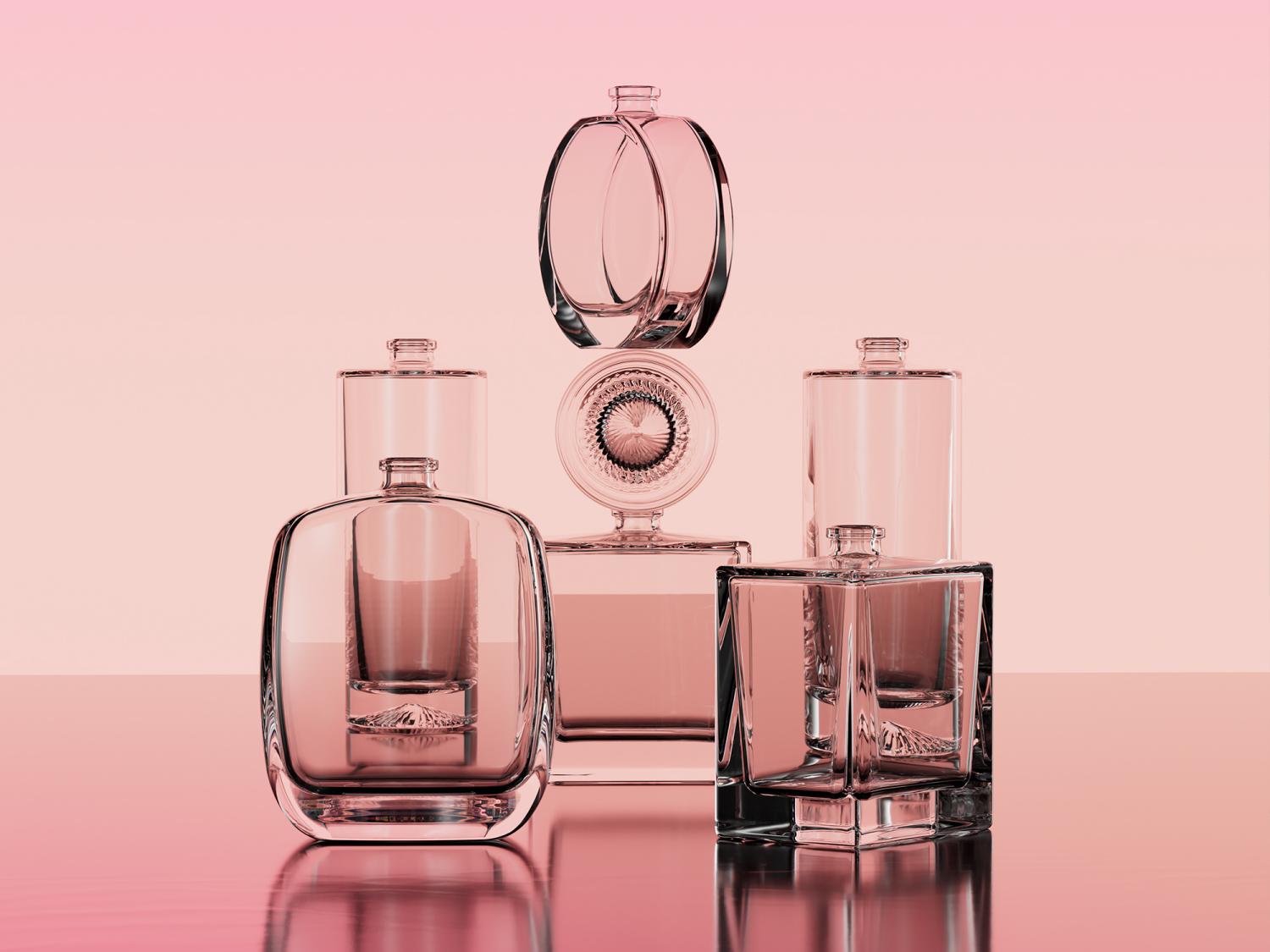
Quick Navigation: Industry Leaders Company Name Founded Location Verescence 1896 Puteaux, France Stoelzle Glass Group 1805 Köflach, Austria Heinz-Glas 1622 Kleintettau, Germany Pochet Group 1623 Clichy, France Bormioli Luigi 1946 Parma, Italy Zignago Vetro 1950 Fossalta di Portogruaro, Italy Saverglass 1897 Feuquières, France STDGLASS 2010 Xuzhou, China Estal 1994 Girona, Spain Coverpla 1946 Nice, France The 0.1mm Imperative: Why Your Glass Supplier is Your Brand’s Weakest Link In the luxury home fragrance market, a beautiful scent is a commodity. What separates a $150 diffuser from a $15 supermarket reed kit is the structural integrity of the vessel. If your bottle neck has a tolerance deviation greater than 0.1mm, capillary action will eventually draw oil upward, resulting in “label creep,” greasy residues, and a ruined unboxing experience. You are no longer looking for a glass factory; you are looking for a precision engineering partner. Below are the 10 global leaders redefining the Terminal Luxury Experience for 2026. The Global Elite: Top 10 Manufacturers for 2026 1. Verescence (France):Global leader in luxury glass packaging The undisputed titan of eco-luxury. They have mastered the art of making recycled glass look like crystal. Website Product Image 2. Stoelzle Glass Group (Austria):We are passionate about manufacturing outstanding bottles from the inert material glass. The gold standard for complex surface aesthetics and post-production. Website Product Image Factory Images 3. Heinz-Glas (Germany):The HEINZ-GLAS Group’s core competencies include its in-house development department When the mechanical fit is the priority, German engineering wins. Website Product Images Factory Images 4. Pochet Group (France):The unique combination of our expertise allows us to produce all packaging for perfume Known for “Extreme Clarity,” their glass is the preferred choice for niche, clear-oil fragrances. Website Product Image Factory Images 5. Bormioli Luigi (Italy):We create high-quality glass products for perfumery and cosmetics Where Italian artistry…
 March 6, 2026
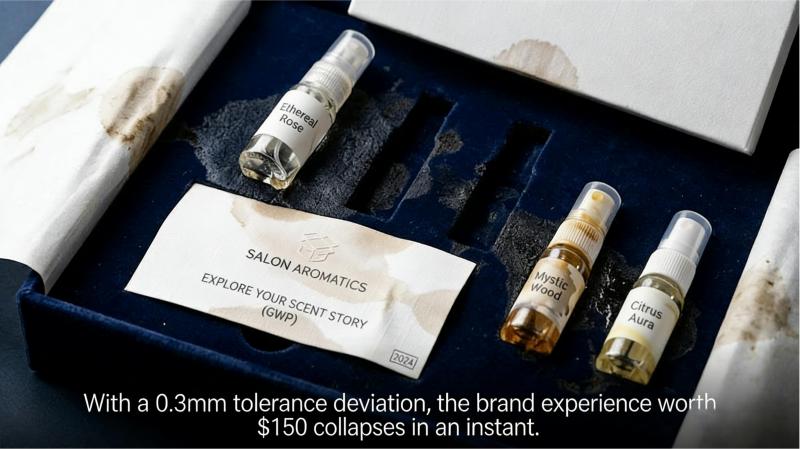
In the luxury fragrance market, you aren’t just selling a scent; you are selling an expensive, ephemeral promise. Yet, for many brands, that promise evaporates long before the consumer ever presses the actuator. A single leaking 5ml vial in a high-end Discovery Set doesn’t just waste 8.3g of glass and oil—it incinerates your brand’s reputation in the seconds it takes to open a box. While most manufacturers treat Perfume Bottles as simple commodity containers, we view them as high-precision pressure vessels designed to lock in your “liquid gold.” To lead in 2026, you must stop sourcing “bottles” and start sourcing hermetically sealed brand equity. At STD GLASS, we bridge that 0.1mm gap between a premium consumer experience and a costly logistics nightmare. 1. The 0.3mm Tolerance Gap: A Consumer Disaster Others will show you how a bottle is made; we show you what happens when it fails. A microscopic deviation of just 0.3mm in the neck finish—a gap invisible to the human eye—is the difference between a pristine product and a logistical catastrophe. The “Unboxing Disaster” in Numbers: Commercial Insight: “A cheap seal is the most expensive mistake you can make. When the unboxing fails, the brand fails.” 2. Quantitative Loss: The Silent Evaporation Even if a bottle doesn’t “leak” in the traditional sense, poor neck tolerances allow for micro-evaporation. For a 10ml travel spray, a 3mm drop in the fill level represents a 3% loss of the most volatile top notes. This is not just a loss of volume; it is a distortion of the olfactory profile. The consumer receives a “skewed” scent that no longer matches the perfumer’s original vision. 3. Engineering Reliability: The 14mm Standard Our strategy centers on Zero-Leak Integrity. We achieve this through rigorous mechanical interference fits that standard wholesale glass simply cannot replicate. Risk…
 March 6, 2026
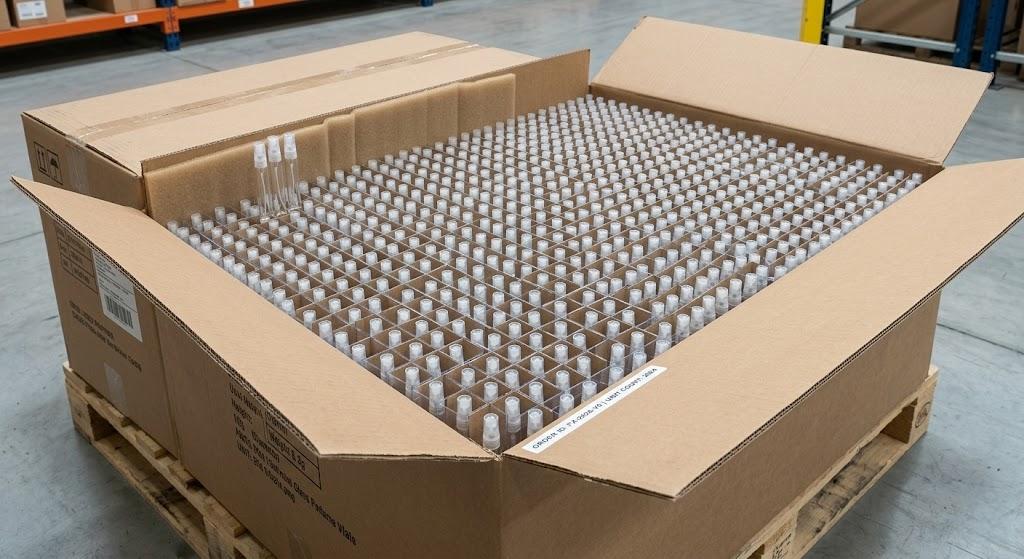
In the high-stakes world of fragrance sampling, the vessel is more than a container; it is a precision component in your supply chain. For procurement directors and brand owners, the choice between a snap-on and a screw-top seal isn’t a design preference—it is a risk management decision. A single leaking 5ml vial in a luxury discovery set doesn’t just waste inventory; it destroys the “liquid gold” brand reputation you have spent millions to build. To win in 2026, you must stop buying “bottles” and start investing in leak-proof brand security and automation-ready hardware. 1. The Physics of Failure: Why Standard Seals Leak Travel-sized perfume bottles face physical stressors that full-sized flagons never encounter. When a 10ml vial enters a pressurized cargo hold or a consumer’s pocket, it is subjected to: 2. Technical Audit: Snap-on vs. Screw-top Mechanisms Engineering Metric Snap-on Precision System Traditional Screw-top Seal Type Permanent Mechanical Interference Fit Friction-based Thread Engagement Leak Resistance Certified Hermetic; Air-pressure resistant High risk of “Thread-back” and seepage Filling Line Speed Optimized for high-speed pneumatic pressing Requires slower, torque-monitored capping Tamper Security One-way locking; non-removable Easily opened; risk of contamination Weight Consistency Stable 8.3g (5ml) to 12g (10ml) builds Variable depending on cap material Brand Protection Zero-leak guarantee for global shipping High “GWP” (Gift with Purchase) failure rate The Critical Factor Beyond Structure: Choosing between a snap-on or screw-top system is a strategic brand decision, but the mechanical success of both relies on a single hidden variable: neck tolerance. No matter the closure type, a deviation of even 0.2mm can lead to evaporation or leakage. Deep Dive: Explore how we master this through [The 0.1mm Difference: Engineering Zero-Leak Security for Luxury Perfume Vials]. 3. Data-Driven Sourcing: The 14mm Standard Efficiency in fragrance packaging is born from standardization. Our mini perfume bottles are engineered…
 March 5, 2026
In the 2026 extract market, the “race to the bottom” on packaging costs has hit a technical ceiling. For procurement officers, the objective is no longer simply finding the cheapest unit; it is securing the lowest Landed Cost of Quality. A jar that saves you $0.05 at the factory but fails at the capping station or leaks volatile terpenes during transit represents a net loss. This guide breaks down the raw material economics, manufacturing tolerances, and volume-based pricing structures defining the current wholesale landscape. 1. Quick Navigation: Top Global Manufacturers The following table identifies the industry leaders capable of meeting 2026 precision standards for cannabis and extract containment. Company Name Est. Date Headquarters STDPACKAGING (STD) 1988 JiangSu/Xuzhou, China Gerresheimer AG 1864 Düsseldorf, Germany Kush Packaging 2011 Qingdao, China O-I Glass 1903 Perrysburg, OH, USA Roetell Glass 1984 Xuzhou, Jiangsu, China SKS Bottle & Packaging 1986 Saratoga Springs, NY, USA 2. The Science of Purity: Iron Oxide Content The most critical variable affecting glass optical clarity in 2026 is iron oxide (Fe₂O₃) concentration. For premium concentrate packaging, standard flint glass is no longer sufficient. 3. Technical Pricing Matrix: 2026 Sourcing Note: Prices are estimated FOB (Free On Board) for 2026 industrial runs. Regional energy surcharges may apply. Jar Specification MOQ (Units) Est. Unit Price (USD) Primary Cost Driver 5ml Economy Round 50,000+ $0.08 – $0.12 Raw Volume & Basic Flint 5ml Heavy-Base Square 20,000+ $0.18 – $0.26 Mold Complexity & Glass Mass 9ml CR-Certified System 10,000+ $0.28 – $0.38 Mechanical Lid Integration 9ml CR-Certified System 5,000+ $0.45 – $0.65 Annealing Time & Thickness 4. Engineering Failure Points: Tolerance & Seal When evaluating a factory quote, the “Tolerance Grade” is more important than the unit price. A cheap jar with poor neck finish consistency leads to catastrophic failure in automated lines. Neck…
 March 5, 2026
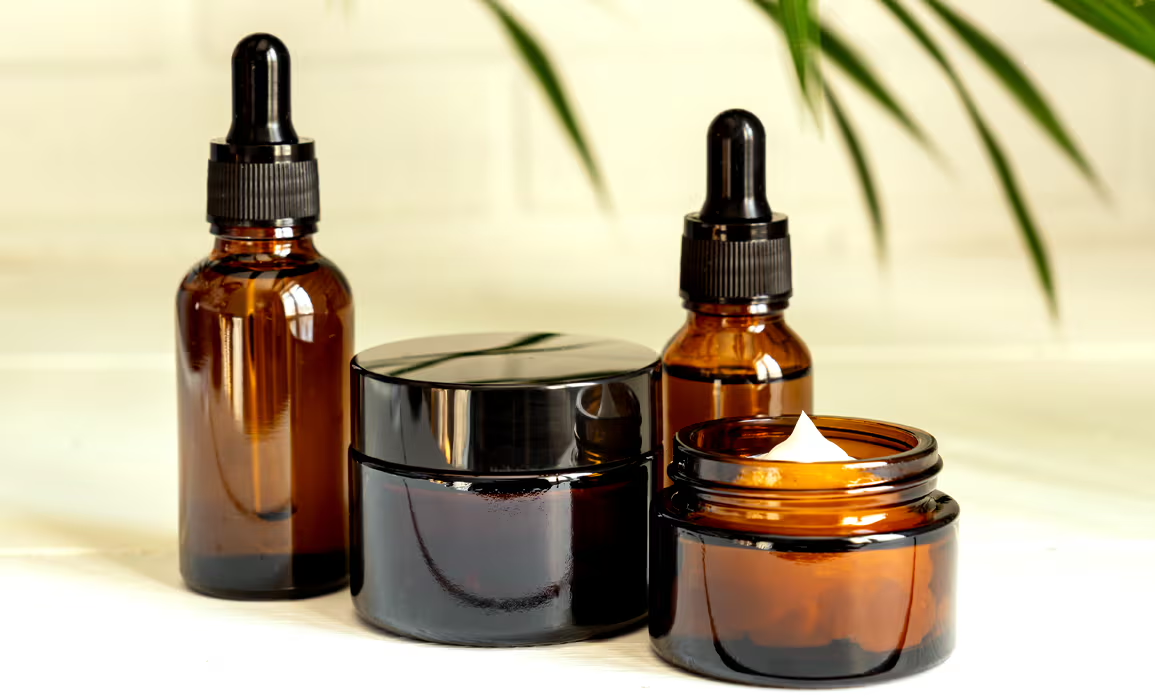
Quick Navigation: Top 5 Concentrate Jars Manufacturers Company Name Est. Date Headquarters MIRON Violetglass 1995 Netherlands Berlin Packaging 1898 Chicago, IL, USA STDPACKAGING (STDGLASS) 2002 Jiangsu, China Roetell Glass 1984 Xuzhou, China Kush Packaging 2014 Shandong, China In the 2026 extraction and cannabis markets, packaging is no longer just a container—it is a critical tool for chemical stability and legal compliance. As global regulations tighten around child-resistant (CR) safety and product degradation, procurement managers are shifting away from generic glass toward specialized, Tolerance-Controlled vessels. The following five manufacturers have set the 2026 industry standard for preserving high-value concentrates like Live Resin, Rosin, and high-terpene extracts. 1. MIRON Violetglass:Unique glass packaging for natural products Website Product Images Factory Images 2. Berlin Packaging (Cannabis Division):Berlin Packaging is the World’s Largest Hybrid Container and Packaging Supplier Website Product Images 3. STDGLASS (Specialized Technical Division) Website Products images 4. Roetell Glass:Wide Custom Options for Your Unique Glass Packaging Website Product Images 5. Kush Packaging (Qingdao):Compliant Child Resistant Packaging Website Product Images 💡 Procurement Strategy: Before finalizing your order with any manufacturer, ensure their glass quality supports terpene preservation and meets U.S. CR compliance. Check our technical benchmarks: Operational Sourcing & Quality Audit Before finalizing a 2026 contract with any Concentrate Jar supplier, procurement teams must verify: Technical Benchmark: Engineering Precision vs. Commodity Glass The primary differentiator for a professional Concentrate Jar is its behavior under thermal stress and its compatibility with high-speed capping systems. Performance Metric Standard Wholesale Glass Tolerance-Controlled (Audit Standard) Impact on Quality Neck Tolerance +/- 1.0mm to 1.5mm +/- 0.15mm to 0.25mm Leak-proof hermetic seal Glass Purity Green/Yellow Tint Extra-White Flint Glass Maximum wax color clarity Annealing Grade Basic Air-Cool Controlled Lehr Annealing Zero spontaneous cracking Base Design Variable Stability Weighted “Heavy-Base” Thermal isolation Strategic Procurement: Frequently Asked Questions Q1: Why is…
 March 4, 2026
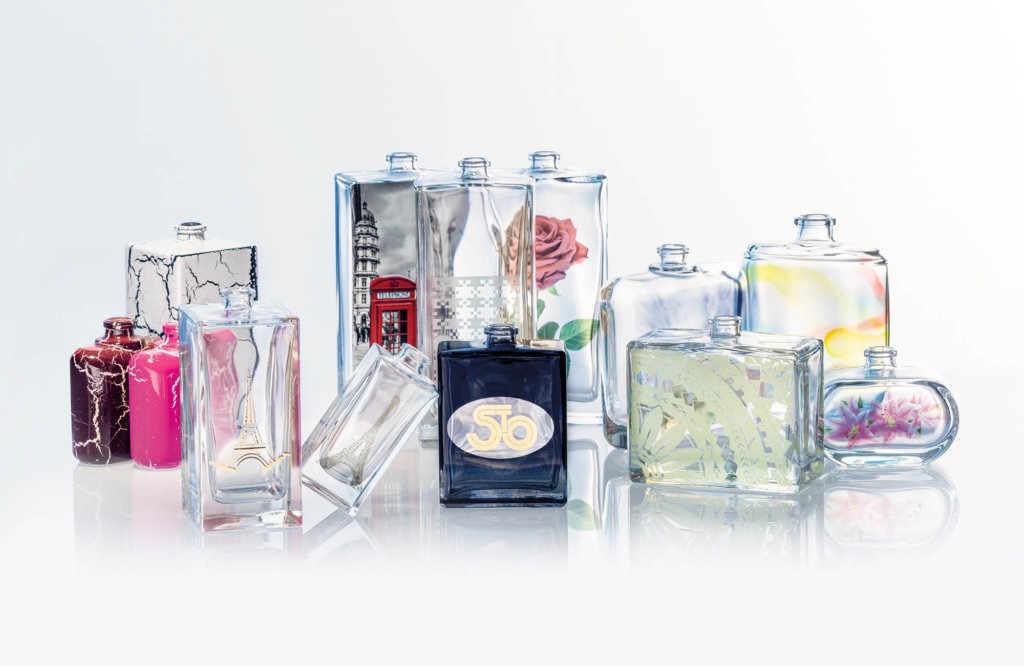
In the 2026 fragrance market, the technical gap between “standard glass” and “luxury vessels” is widening, forcing brands to be more selective with their Perfume Bottle Suppliers. For high-end fragrance labels, procurement is no longer just about volume—it is about a partner’s ability to execute complex, multi-layered decorations that withstand high-alcohol formulations without degradation. This directory focuses on elite Perfume Bottle Suppliers capable of integrated production: combining high-clarity glass molding with sophisticated in-house finishing to ensure brand consistency and supply chain stability. Technical Benchmarks for Grade-A Sourcing To ensure your wholesale perfume bottles align with premium market expectations, the following three technical benchmarks must be met: Global Supplier Comparison Matrix (2026) Region Manufacturing Strength Best For Decoration Lead Time European Union Highest glass clarity Luxury/Niche Brands 12 – 16 Weeks China (Jiangsu/Shandong) Rapid prototyping & Scale Mid-market & Global Launches 6 – 10 Weeks USA (Local Stockists) Domestic logistics stability Seasonal Drops & Low MOQ 2 – 4 Weeks Featured Directory: 5 Leading Wholesale Perfume Suppliers 01. Bormioli Luigi (Italy) Market Position: The global benchmark for “Extra White” prestige glass. Website Product Images 02. Daxin GLASS (China) Market Position: A high-capacity leader in rapid prototyping and large-scale wholesale. Website Product Images 03. Stoelzle Glass Group (Austria/USA) Market Position: Specialized in “Standard Excellence”—high-end stock bottles with custom-like quality. Website Product Images 04. Verescence (France) Market Position: The world’s pioneer in sustainable luxury packaging. Website 05. SGD Pharma / Beauty (Global) Market Position: Heavy-duty, pharmaceutical-grade glass for the beauty sector. Website Advanced Decoration: Moving Beyond Labels A premium supplier should offer integrated solutions. In 2026, the following decoration techniques are standard for high-tier brands: Quality Control Checklist for Wholesale Buyers Before signing a long-term supply agreement, demand the following from your manufacturing partner:
![Top 8 Cannabis Glass Jar Manufacturers [2026 Guide]](https://www.stdglass.com/wp-content/uploads/2026/03/cover1.jpg) March 4, 2026
March 4, 2026
Quick Navigation: Top 8 Cannabis Jar Manufacturers Company Name Est. Date Headquarters STDPACKAGING (STD) 1988 JiangSu/Xuzhou, China Gerresheimer AG 1864 Düsseldorf, Germany Kush Packaging 2011 Qingdao, China O-I Glass 1903 Perrysburg, OH, USA Roetell Glass 1984 Xuzhou, Jiangsu, China SKS Bottle & Packaging 1986 Saratoga Springs, NY, USA Miron Violetglass 1995 Hoogeveen, Netherlands Berlin Packaging 1898 Chicago, IL, USA In the 2026 cannabis market, packaging has evolved from a simple commodity to a critical factor in shelf-life extension and regulatory compliance. For procurement managers, the stakes are high: selecting the right Cannabis Jar Manufacturers is no longer just about aesthetics, but about engineering. Choosing a jar that fails to maintain a +- 0.1mm neck tolerance or lacks UV-shielding properties can lead to terpene degradation and THC oxidation within weeks. This guide provides a clinical evaluation of the top Cannabis Jar Manufacturers globally, audited for their glass batch chemistry, child-resistant (CR) patent integrity, and automated inspection standards. 1. STDPACKAGING (STDGLASS):Premium Cannabis Jar Manufacturers providing odor-proof and UV-resistant glass. Website Products images Factory images 2. Gerresheimer AG:We are the global go-to partner for pharmaceutical primary packaging Website Products images Factory Images 3. Kush Packaging (Qingdao Kush):Compliant Child Resistant Packaging Website Products images 4. Owens-Illinois (O-I Glass):Innovation. Transformation. Glass Packaging. Website Product Images Factory Images 5. Roetell Glass:Wide Custom Options for Your Unique Glass Packaging Website Product Images 6. SKS Bottle & Packaging:Glass, Metal & Plastic Containers for Your Packaging Needs Website Product Images 7. Miron Violetglass:Unique glass packaging for natural products Website Product Images Factory Images 8. Berlin Packaging:Berlin Packaging is the World’s Largest Hybrid Container and Packaging Supplier Website Product Images 2026 Technical Comparison Matrix Manufacturer Glass Grade UV Protection CR Certification Primary Advantage STDPACKAGING Super Flint High (Coating) Yes Tolerance Precision Gerresheimer Pharma-Grade Moderate Yes Chemical Inertness Miron Violet Glass…
![Top 10 Perfume Bottle Manufacturers in China[Procurement Guide 2026 ]](https://www.stdglass.com/wp-content/uploads/2026/03/Best-Top-10-Perfume-Bottles-Manufacturers.jpg) March 3, 2026
March 3, 2026
Quick Navigation: Top 10 China Manufacturers Company Name Est. Date Headquarters STDPACKAGING (STD) 1988 JiangSu/Xuzhou Gerresheimer China 1864 Vineland/China Roetell Glass 1984 Xuzhou, Jiangsu Abely Perfume 2011 Guangzhou, GD Tiumsen Cosmetics 2013 Xiamen, Fujian Bomei Glass 2005 Guangzhou, Guangdong, China iPerfume Packaging 1998 Dongguan, GD Jiaxing Glass 2003 Guangzhou, GD SGS Bottle 2005 Xuzhou, Jiangsu Unipack Glass 1980 Shanghai, China In the 2026 fragrance landscape, a Perfume Bottles manufacturer’s value is no longer measured by unit price, but by tolerance stability and batch purity. This guide moves past surface-level profiles to audit China’s top 10 manufacturers on the metrics that matter to procurement engineers: FEA 15/20 standards, vacuum leak-test reliability, and annealing stress control. 1. STDPACKAGING (STDGLASS):Your Reliable Perfume Bottles Manufacturers in China Website Products images Factory images 2. Gerresheimer (Global Partner):We are the global go-to partner for pharmaceutical primary packaging Website Product Images Factory Images 3. Roetell Glass:All-Around Glass Bottles Packaging Solution Website Product Images 4. Abely Perfume Packaging:Premium perfume bottles packaging factory in China Website Product Images 5. Tiumsen (Xiamen Tiumsen Cosmetics):leading cosmetic packaging manufacturer (OEM/ODM) in China Website Factory Images 6. Bomei Glass:Acrylic bottle manufacturer redefining packaging innovation Website Product Images Factory Images 7. iPerfume Packaging (Starlight):BEST SOLUTION FOR PERFUME PACKAGING Website Product Images 8. Jiaxing Glass:Glass Vial, Syringe, Spatulas Manufacturers and Suppliers Website Product Images Factory Images 9. SGS Bottle (SGS Glass):Custom Glass Bottle & Jar Manufacturer in China Website Product Images 10. Unipack Glass:As one of the leading glass manufacturer in North China Website Product Images Navigating the vast Chinese manufacturing landscape requires a clear distinction between general traders and high-end specialists. If your project requires unique molds or signature shapes, consult our deep-dive on partnering with a [Custom Perfume Glass Bottles OEM Manufacturer in China] Technical Comparison: 2026 Manufacturing Matrix Manufacturer Glass Grade Lead…
![Best Top 10 Perfume Bottles Manufacturers in the USA[2026 Updated]](https://www.stdglass.com/wp-content/uploads/2026/02/14.jpg) March 3, 2026
March 3, 2026
Quick Navigation: Top 10 USA Manufacturers Company Name Est. Date Headquarters Vitro Packaging 1909 Texas, USA Saverglass 1897 Federal Way, WA Verescence 1896 Covington, GA Piramal Glass 1984 Park Ridge, NJ STDPACKAGING (STD) 1988 Global OEM Hub Wheaton Glass 1888 Millville, NJ Berlin Packaging 1898 Chicago, IL Glass-Vials Inc 1998 Hanover, MD General Bottle Supply 1933 Los Angeles, CA Kenjasper Glassware 1993 11/26 James Street, Lidcombe, NSW 2141 In the high-stakes American fragrance market, the glass perfume bottles is the primary touchpoint for brand identity. For procurement managers, a 0.5mm deviation in neck tolerance or a lack of glass clarity is not just a minor flaw—it is a significant risk to brand equity and product shelf-life. Achieving the perfect balance of aesthetics and functionality requires partnering with the right perfume bottle wholesale suppliers who understand the technical rigors of the industry. This guide evaluates the leading perfume bottle manufacturers in the USA 2026 and global OEM powerhouses, focusing on engineering precision, material purity, and the strategic advantages of domestic vs. factory-direct partnerships. Whether you are seeking luxury fragrance packaging or high-volume wholesale glass bottles, understanding the manufacturing standards of these top-tier suppliers is essential for your brand’s success. 1. Vitro Packaging:Vitro Glass Containers is a leader in glass production in Mexico and one of the most important in the world Website Product Images Factory Images 2. Saverglass (Americas):Saverglass specializes in acid-etching, creating a frosted effect on glass bottles Website Factory Images Product Image 3. Verescence North America:we manufacture glass bottles and jars for the biggest brands in the perfume and cosmetics industry Website Product Image 4. Piramal Glass USA:The Global Leader in Glass Packaging Solutions Website 5. STDPACKAGING (STDGLASS):Your Reliable Perfume Bottle Manufacturer Website Product Images Factory Images 6. Wheaton Glass:Production of glass packaging and present in Brazil Website 7….
Back to Top