Practical Glass Packaging Knowledge — From Factory Floor to Finished Brand
![Top 5 Perfume Bottle Wholesale Suppliers in Australia[2026 Updated]](https://www.stdglass.com/wp-content/uploads/2026/02/end-end.jpg) March 3, 2026
March 3, 2026
For professional fragrance brands, finding the right perfume bottles wholesale suppliers in Australia is a critical step in the procurement process. Whether you are looking for bulk glass perfume bottles, custom closures, or high-end fragrance packaging solutions, selecting a partner with the right technical standards is essential for product safety and brand positioning. This guide evaluates the top five industry leaders based on their manufacturing precision, material quality, and ability to serve the Australian market. Quick Navigation: Top 5 Suppliers Company Name Est. Date Location Plasdene Glass-Pak 1987 Sydney, Australia The Continental Group 1997 Melbourne, VIC STDGLASS Packaging 1988 Xuzhou (Global Hub) Centaur Packaging 1998 Bomaderry, NSW Kenjasper Glassware 1993 Lidcombe, NSW 1. Plasdene Glass-Pak:Wholesale Rigid Packaging Supplies Australia Website Factory Image Product Image Plasdene Glass-Pak are industry leaders in wholesale rigid packaging sourcing, supply and distribution. We are proudly Australian owned and family operated, with global reach. We offer a diverse range of packaging solutions to meet your business needs; including glass bottles, plastic bottles, jars, containers, caps, closures, cartons, flexible packaging, bulk storage containers, and more. Since 1987, we’ve established ourselves as a reliable supply partner for businesses of all scale, across various industries. Whether you’re in the food and beverage, cosmetic, pharmaceutical, wine or any other industry, Plasdene Glass-Pak is your trusted partner for quality wholesale packaging supplies. Contact us today to discuss your unique packaging needs, explore our product catalogue and learn how we can help your business grow. 2. The Continental Group:Sourcing and supply chain provides the ultimate end-to-end support service Website Geoff Pearce – Managing DirectorMr. Pearce has more than 40 years’ experience as a business leader, business owner and entrepreneur in the pharmaceutical and personal care industry. His expertise covers the importation of raw materials and packaging used in manufacturing through to ownership…
 March 2, 2026
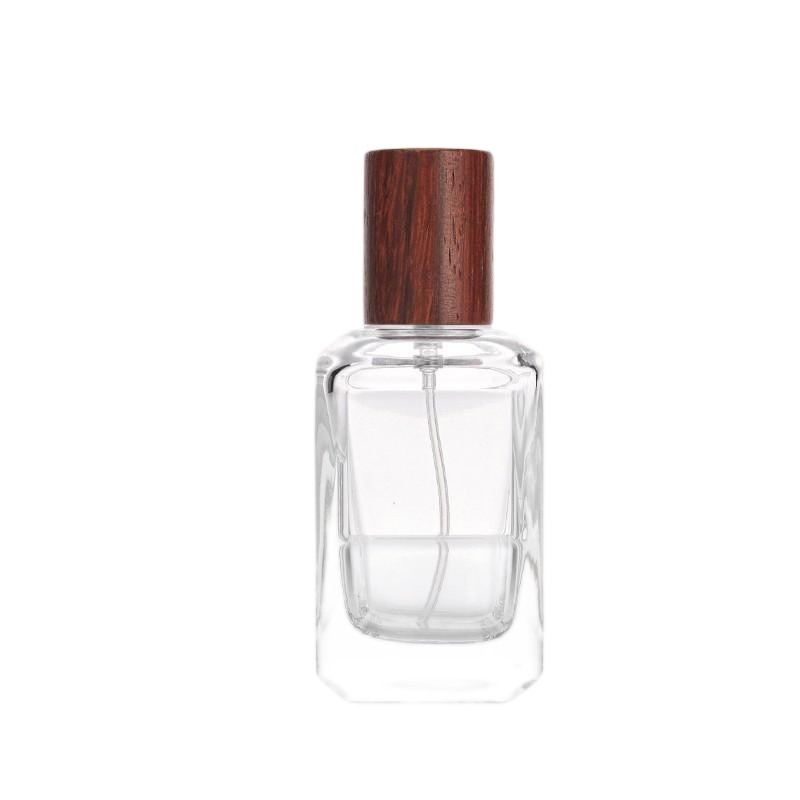
Technical Navigation The Pressure Crisis: Why Travel Bottles Leak Technical Specifications for Professional Sourcing Performance Comparison: Professional vs. Generic Industrial Vetting & Quality Control Checklist Visual Verification Guide for Procurement Request Technical Samples & Bulk Quotation How to Source Reliable Travel Perfume Bottles: A Technical Procurement Guide In the travel fragrance sector, a “minor” packaging flaw is never minor. For a sourcing manager, a 0.5mm deviation in neck tolerance or a substandard gasket material doesn’t just result in a leak—it results in catastrophic brand erosion, expensive product recalls, and the loss of high-value retail partnerships. As global mobility increases, the demand for travel perfume bottles (30ml and under) is surging. However, the market is saturated with low-grade “wholesale” glass that fails under cabin pressure shifts. This guide breaks down the technical imperatives for sourcing professional-grade refillable perfume bottles that protect your formulation and your reputation. I. The “Pressure Crisis”: Why Standard Glass Fails Most procurement failures occur because buyers treat travel sizes as miniature versions of standard bottles. They are not. A travel perfume bottle must be engineered for “Kinetic Durability.” II. Critical Technical Specifications for Sourcing When evaluating an empty perfume bottle from a manufacturer, move beyond aesthetics. Demand the following technical data: 1. Neck Finish Calibration (The FEA Standard) The industry benchmark is the FEA 15 standard. A reliable manufacturer will guarantee a neck tolerance of ±0.15mm. Anything wider increases the risk of “pump wobble,” leading to primary seal failure. 2. Material Purity (Low-Iron Super Flint Glass) Avoid recycled glass for high-concentration Extrait de Parfum. Recycled glass often contains trace metal oxides that can react with volatile fragrance compounds, causing “scent-shifting.” Specify Super Flint Glass to ensure the scent remains chemically inert and optically clear. 3. Annealing Quality (Stress Management) Travel bottles are prone to impact. Ensure the…
 February 28, 2026
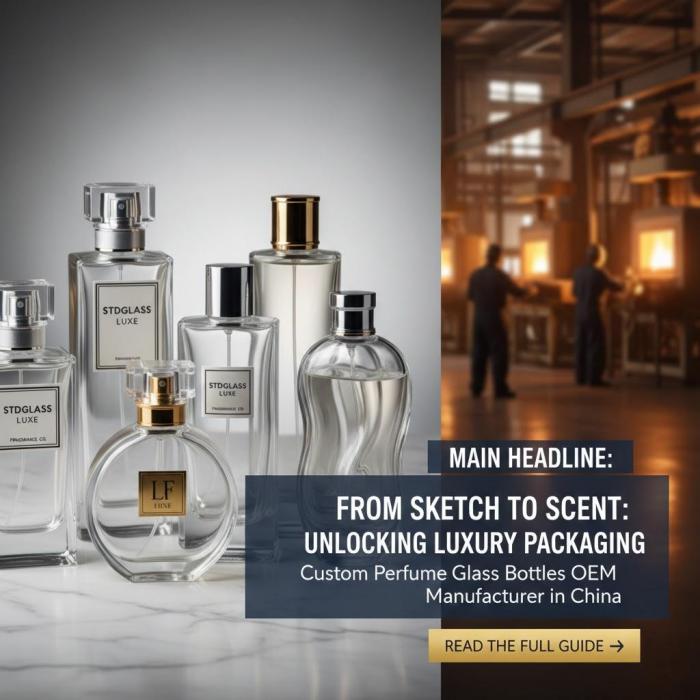
Introduction: Why the Vessel Matters as Much as the Scent In the sophisticated world of luxury fragrances, the allure extends far beyond the aromatic notes within. Before a single drop touches the skin, it is the perfume bottle that captivates, communicates, and defines a brand’s essence. A beautifully crafted, unique glass vessel is not merely a container; it is an extension of the fragrance itself, a tactile experience, and a powerful statement of brand identity. In an increasingly competitive market, relying on generic packaging is a missed opportunity to stand out and command a premium. This is why custom perfume glass bottles are indispensable for brands aiming for market leadership and lasting recognition. Partnering with an experienced OEM manufacturer is the strategic choice for brands seeking unparalleled customization and uncompromising quality. At STDGLASS, we don’t just produce glass; we engineer bespoke solutions that embody your vision. As a reliable Custom Perfume Bottle Manufacturer in China, we leverage cutting-edge technology and decades of expertise to transform your conceptual designs into tangible works of art, ready to grace shelves globally. This comprehensive guide will illuminate the crucial advantages of working with a dedicated OEM partner and demonstrate how precision manufacturing elevates your fragrance line to new heights. Chapter 1: The Advantages of Factory-Direct OEM Manufacturing The decision to partner with an Original Equipment Manufacturer (OEM) directly from the source, particularly in China, presents a myriad of benefits that can significantly impact a brand’s bottom line and market positioning. Far more than just a production facility, an OEM like STDGLASS becomes an extension of your creative and supply chain teams. 1.1 Unparalleled Cost Transparency and Optimized ROI One of the most compelling reasons to engage directly with an OEM is the elimination of unnecessary middlemen. When working through brokers or trading companies, additional…
 February 27, 2026
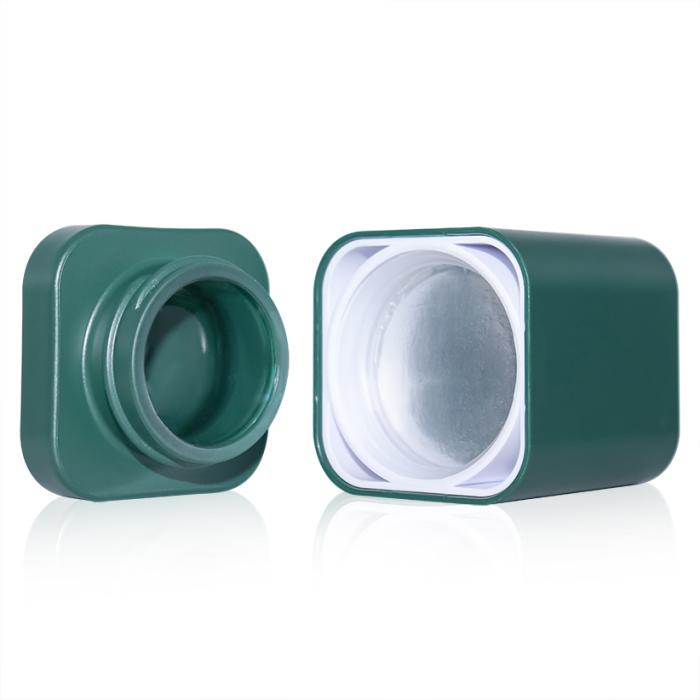
For legal cannabis operators, “packaging” is no longer a branding choice—it is a regulatory liability. As global jurisdictions tighten mandates on Child-Resistant (CR) closures and tamper-evidence, the “cheap wholesale jar” has become the single greatest point of failure for product recalls and shelf-rejection. At STD GLASS, we treat the Concentrate Jars as a high-precision medical component. If your packaging fails a state compliance audit because of a stripped CR mechanism or a degraded seal, your brand equity vanishes. Here is the technical breakdown of how we eliminate that risk. 1. The Mechanics of CR Failure: Why “Push-and-Turn” Isn’t Enough Most concentrate jars on the market utilize a basic “push-and-turn” plastic cap. However, the internal “teeth” of these caps are often made from low-density polyethylene (LDPE) which wears down after fewer than five uses. Engineered CR gears designed for 1,000+ opening cycles. The STD GLASS Solution: We utilize High-Torque Glass-Reinforced Polymer for our CR internal gears. Our caps are engineered to maintain a consistent 3.5 – 5.0 inch-pounds of removal torque even after 1,000 opening cycles. This ensures the jar remains child-safe from the first dab to the last. Technical Specification: The -0.06MPa Safety Benchmark Safety isn’t just about children; it’s about chemical stability. Our jars undergo -0.06MPa vacuum stress testing. This ensures that volatile solvents and terpenes do not “off-gas” or build internal pressure that could lead to glass stress fractures or seal failure during air transit or high-temperature storage. Precision threading ensures 100% airtight, tamper-evident seals. 2. Industrial Compliance Benchmark: The Safety Audit When a procurement officer compares suppliers, the “lowest price” often hides the highest “compliance risk.” Technical Comparison Table: Compliance & Safety Standards Safety Feature Common Wholesale Jars Premium Boutique Jars STD GLASS (Industrial Standard) CR Certification Self-certified (Unverified) 16 CFR 1700.20 compliant Certified 16 CFR 1700.20…
 February 25, 2026
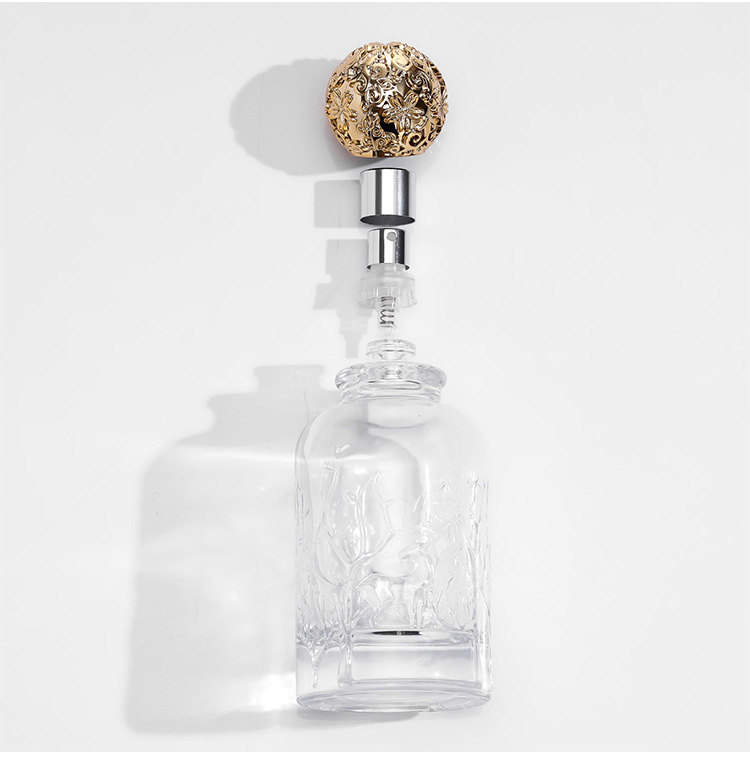
The High Cost of a Micro-Millimeter Failure In the global fragrance market, a leak is not merely a mess—it is a catastrophic brand failure. As we enter 2026, the industry is facing a quiet crisis: the “Pump Leakage Epidemic.” With the rise of complex, oil-heavy juice formulations and the increasing pressure of international air freight, traditional glass packaging is failing. A perfume bottles that leaks during transit or on a customer’s vanity destroys brand equity and leads to massive retail chargebacks. The root cause? A lack of Perfume Bottles Pump Fitment Precision. Many Perfume Bottles Manufacturers prioritize the “look” of the flint glass while neglecting the mechanical engineering of the neck finish. This technical audit identifies the top 10 manufacturers who have engineered their way out of this crisis, utilizing advanced thermodynamics and precision molding to ensure a 100% airtight seal. 1. The Physics of the Leak: Why Standard Glass Fails Leakage occurs when the gasket of a pump cannot achieve a perfectly flush seal against the glass rim. In 90% of cases, the fault lies in a microscopic “dip” in the glass neck known as a “Saddle.” Technical Benchmark: Neck Tolerance Standards While a generic wholesaler might offer a ±0.5mm neck tolerance, the industry-leading Luxury Fragrance Packaging OEM standard for 2026 has tightened to ±0.15mm. If the “E-wall” thickness varies beyond this, the crimp or screw-on pump will eventually lose torque, allowing the alcohol-based fragrance to “creep” through the threads. 2. Technical Comparison: Sourcing for Zero-Leak Performance To understand why some bottles fail while others succeed, we must look at the data. The following table highlights the gap between “standard” supply and “engineered” supply. The Engineering Audit: Manufacturer Performance Matrix 3. Top 10 Manufacturers Solving the Leakage Crisis in 2026 01. STD GLASS (China) – The “Zero-Saddle” Specialist 02….
 February 25, 2026
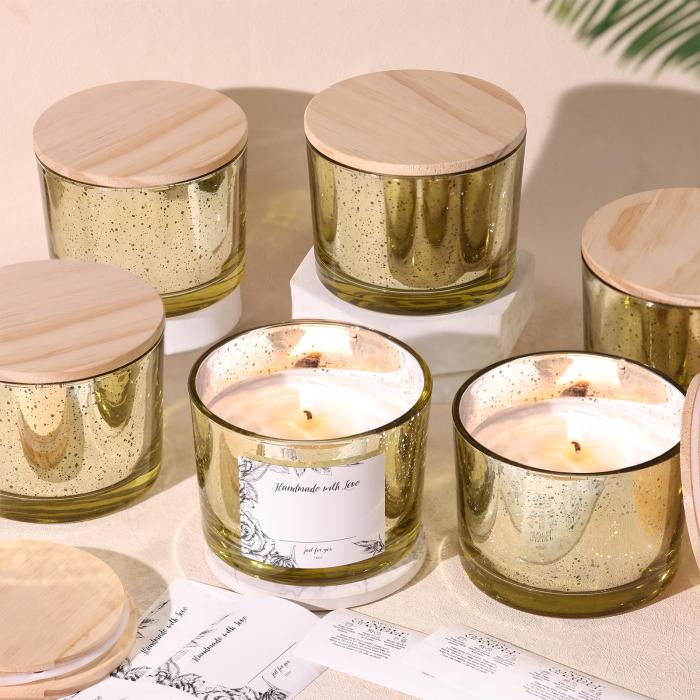
Why Your Supplier Choice is a Safety Decision In the high-end home fragrance market, a candle jar is more than just a vessel—it is a thermal pressure container. Choosing a supplier based solely on the lowest price per unit is the most common mistake brands make. In 2026, with the surge in glass raw material costs and stricter global safety mandates (like ASTM F2179), brands must look beyond aesthetics. You need a partner who understands thermal shock resistance, wall thickness distribution, and chemical coating stability. We have audited the global landscape to rank the top 10 manufacturers. Whether you are a Fortune 500 fragrance house or a scaling luxury brand, this list provides the technical clarity you need. To qualify for this list, each manufacturer was evaluated against four industrial KPIs: ASTM F2179 Compliance Can the glass withstand a 40°C temperature delta without fracture? Dimensional Tolerance Does the neck diameter vary by more than ±0.5 mm? (Critical for wick centering) Decoration Durability Will the matte or metallic finish peel when the wax reaches 60°C? Supply Chain Agility MOQ flexibility and lead-time reliability in a post-2025 logistics world. 1. Ranking Criteria: The “No-Fluff” Benchmark To qualify for this list, each manufacturer was evaluated against four industrial KPIs: 2. The Global Top 10 Manufacturers 01. STD GLASS (China) – The Engineering-First Specialist 02. Libbey (USA) – The Mass-Market Standard 03. Stoelzle Glass Group (Austria) – The Luxury Flint Authority 04. Owens-Illinois (O-I Glass) – The Sustainability Giant 05. Anchor Hocking (USA) – The Apothecary Original 06. Bormioli Luigi (Italy) – The Designer’s Choice 07. Verescence (France) – The High-Fashion Pioneer 08. [Hebei Artisan Glass] (China) – The Borosilicate Specialist 09. [Guangdong Deco-Glass] (China) – The Finish Experts 10. Vetropack (Switzerland) – The European Precision Power Inside the Factory: How to Spot a…
 February 24, 2026
Are you worried about your products losing their signature fragrance on the retail shelf? For cannabis brands, a product’s market value is defined by its aroma, flavor, and effects—all of which are driven by terpenes. However, these volatile organic compounds are notoriously fragile. From the moment of harvest, they are in a race against time. Improper packaging leads to rapid oxidation and evaporation, turning your premium flower into a dry, odorless shadow of its former self. At STD GLASS, we understand that a glass jar is never just a container; it is a critical component of your supply chain and the guardian of your brand’s reputation. In this guide, we explore five engineered ways to prevent terpene loss and ensure your product reaches the consumer exactly as you intended. 1. Eliminate Oxygen Exchange with Precision Airtight Seals Oxygen is the primary enemy of terpenes. When exposed to air, terpenes undergo oxidation, which chemically alters their structure and destroys the delicate “nose” of the strain. 2. Block UV Degradation with Dark or Coated Glass Light, particularly ultraviolet (UV) radiation, acts as a catalyst for the breakdown of cannabinoids and terpenes, often converting THC into CBN. 3. Leverage “Burping” Technology with Child-Resistant (CR) Lids Compliance should never compromise quality. In most regulated markets, Child-Resistant (CR) packaging is a legal mandate. 4. Control Static Charge with Non-Reactive Glass Material Plastic containers carry a static charge that physically pulls terpene-rich trichomes—the “frost” on the flower—away from the bud and onto the walls of the container. 5. Optimize Headspace Management The amount of “empty space” (headspace) in your jar directly impacts the rate of terpene evaporation. Too much air allows terpenes to evaporate until chemical equilibrium is reached. Preserving the aromatic profile of your cannabis is only half of your responsibility. In the U.S. market,…
 February 9, 2026
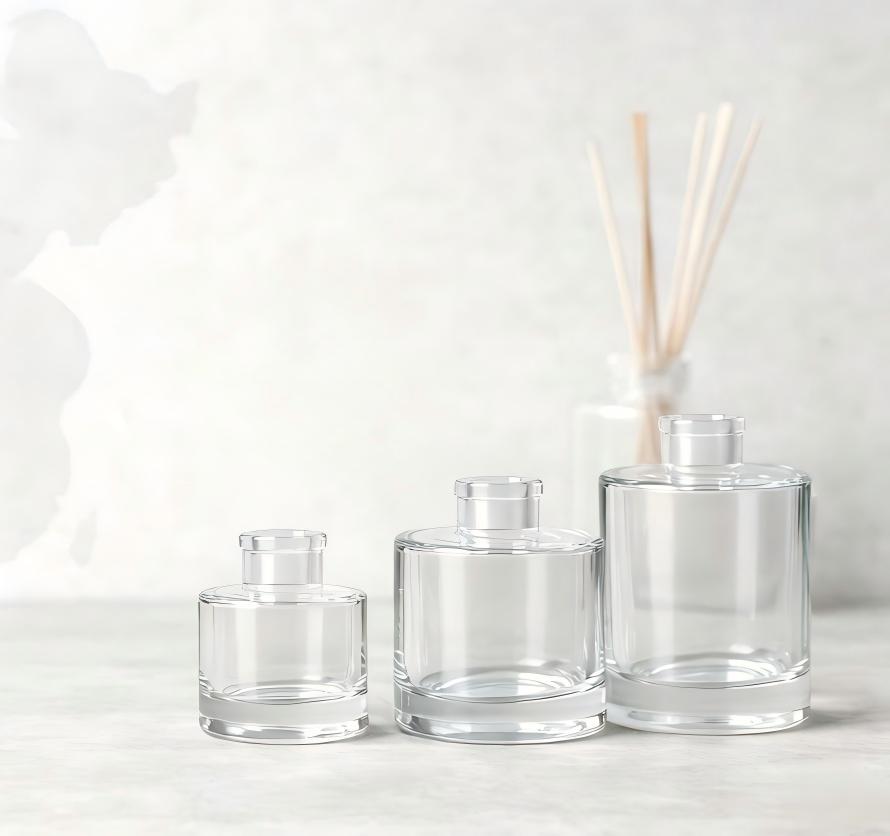
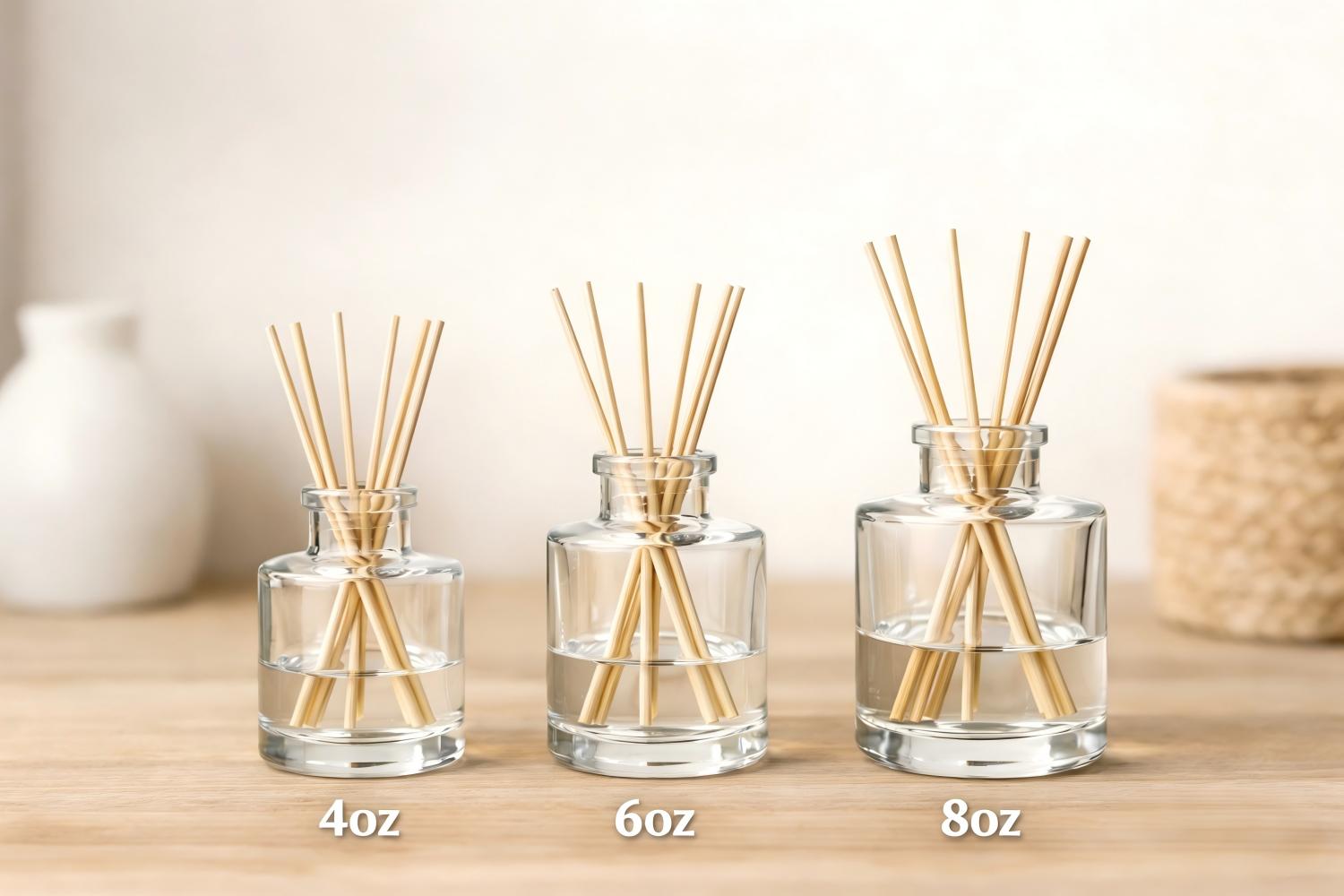
The Strategic Guide to Diffuser Bottle Sizes: 4oz vs. 6oz vs. 8oz – Which is Best for Your Brand? “Your packaging is the silent ambassador of your brand. Selecting the right volume isn’t just about capacity—it’s about the user experience, scent performance, and your bottom line.” For a fragrance brand owner or a home decor retailer, choosing between a 4oz, 6oz, or 8oz diffuser bottle is one of the most critical decisions in product development. The size of the vessel dictates more than just the price point; it influences the “scent throw,” the longevity of the fragrance, and the physical space your product occupies in a customer’s life. As a dedicated custom glass packaging manufacturer, we’ve seen how the right bottle size can elevate a startup into a premium brand. In this guide, we provide a deep dive into the technical and marketing advantages of each size to help you solve the puzzle of product-market fit. At a Glance: Quick Comparison Table Feature 4oz (approx. 120ml) 6oz (approx. 180ml) 8oz (approx. 240ml) Ideal Room Size Bathrooms, Small Offices Bedrooms, Standard Living Rooms Large Open Spaces, High Ceilings Scent Longevity 1.5 – 2 Months 3 – 4 Months 5 – 6 Months Market Position Discovery Sets, Travel, Gifts Professional Home Fragrance Luxury, Statement Decor Shipping Advantage Lowest Weight/Cost Best Value-to-Weight Ratio High Perceived Premium Value Consumer Mindset Low-risk trial purchase Standard “Replenish” purchase Long-term The 4oz Diffuser Bottle: The “Discovery” Specialist Solving the “New Customer” Barrier The 4oz (120ml) bottle is the ultimate tool for customer acquisition. In the B2B world, we often call this the “Entry-Level” vessel. Technical Consideration While 4oz bottles are cost-effective, they have a faster evaporation rate relative to their volume because the ratio of the neck opening to the liquid volume is higher. We recommend pairing…
 February 9, 2026
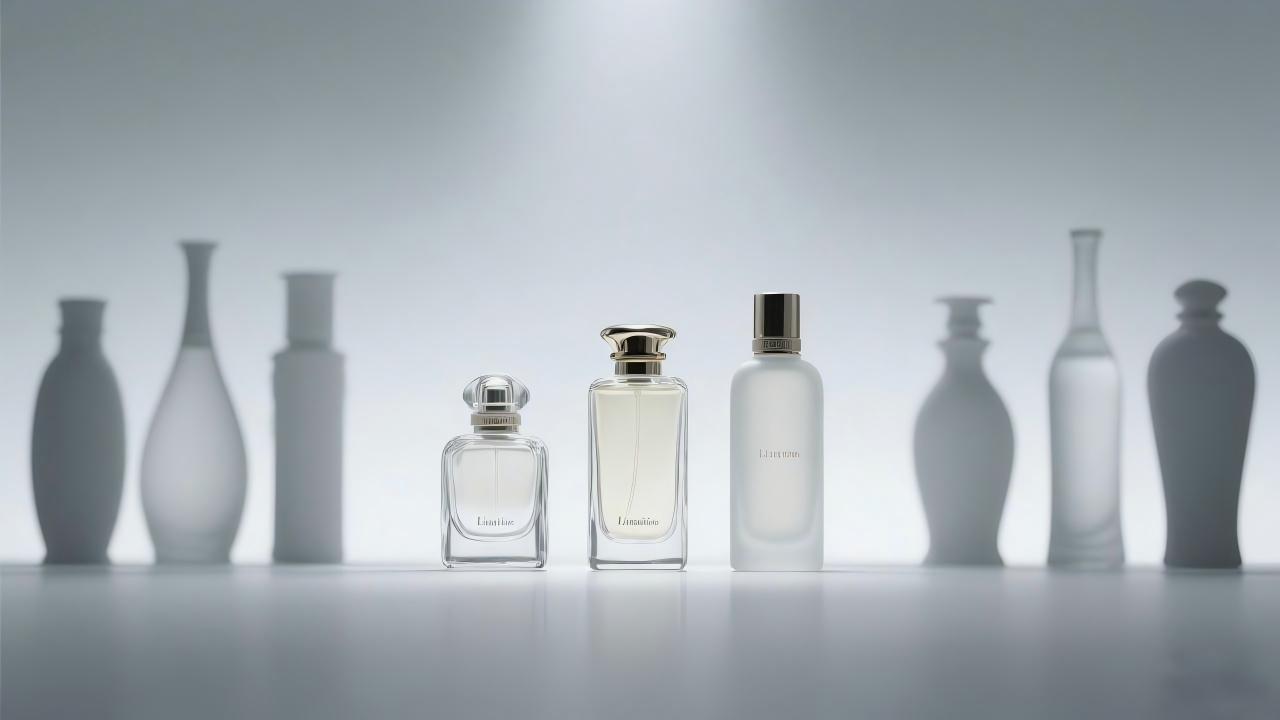
Finding Your Perfect Match: The 2026 Guide to the Top 10 Perfume Bottles Manufacturers Worldwide “A perfume bottle is more than glass; it is the physical gravity of your brand’s story. Choosing the right manufacturer is the difference between a product that sits on a shelf and a masterpiece that sells.” The fragrance market in 2026 is no longer just about the “juice.” Today’s buyers demand sustainable luxury, tactile experiences, and supply chain transparency. For a brand owner, the challenge isn’t just finding a factory—it’s finding a partner who understands your MOQs (Minimum Order Quantities), your lead times, and your need for impeccable quality control. In this guide, we have curated the top 10 perfume bottle manufacturers globally, categorizing them by their unique strengths to help you solve your specific sourcing challenges. How We Evaluated These Manufacturers Rather than ranking by size alone, this list focuses on what matters most to buyers: Summary Comparison Table Manufacturer Core Strengths Customization Level Best For Pochet Group Luxury heritage High Prestige fragrance brands Verescence Sustainable glass High Premium & eco-focused brands Heinz-Glas Precision engineering High European luxury fragrances Bormioli Luigi Design-driven glass Medium–High Designer perfume lines SGD Pharma Pharmaceutical-grade Medium Functional fragrance bottles STD GLASS Factory-direct OEM High Custom & scalable perfume brands Roetell Decorative finishes High Mid-range custom projects Coverpla Packaging integration Medium Turnkey fragrance solutions Aba Packaging Speed to market Medium Fast-launch collections Zignago Vetro Italian craftsmanship High Artisanal fragrance brands Top 10 Perfume Bottle Manufacturers 1. Pochet Group A historic French manufacturer serving luxury fragrance houses. Known for complex shapes, crystal-like clarity, and premium decoration techniques. Best for: High-end luxury perfumes with strong design budgets. 2. Verescence A global leader in sustainable glass perfume bottles, offering recycled content and carbon reduction initiatives alongside advanced customization. Best for: Eco-conscious premium brands….
 February 8, 2026
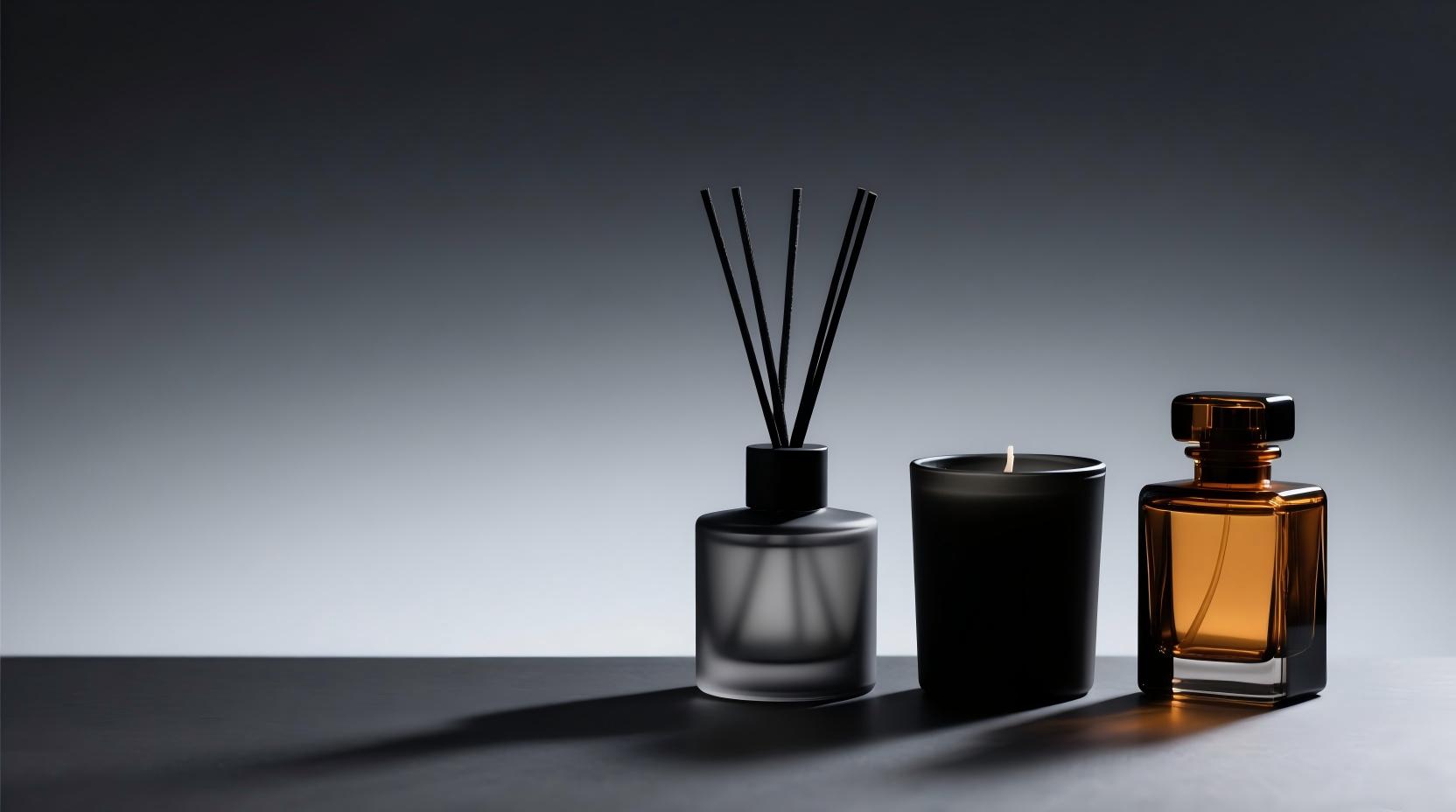
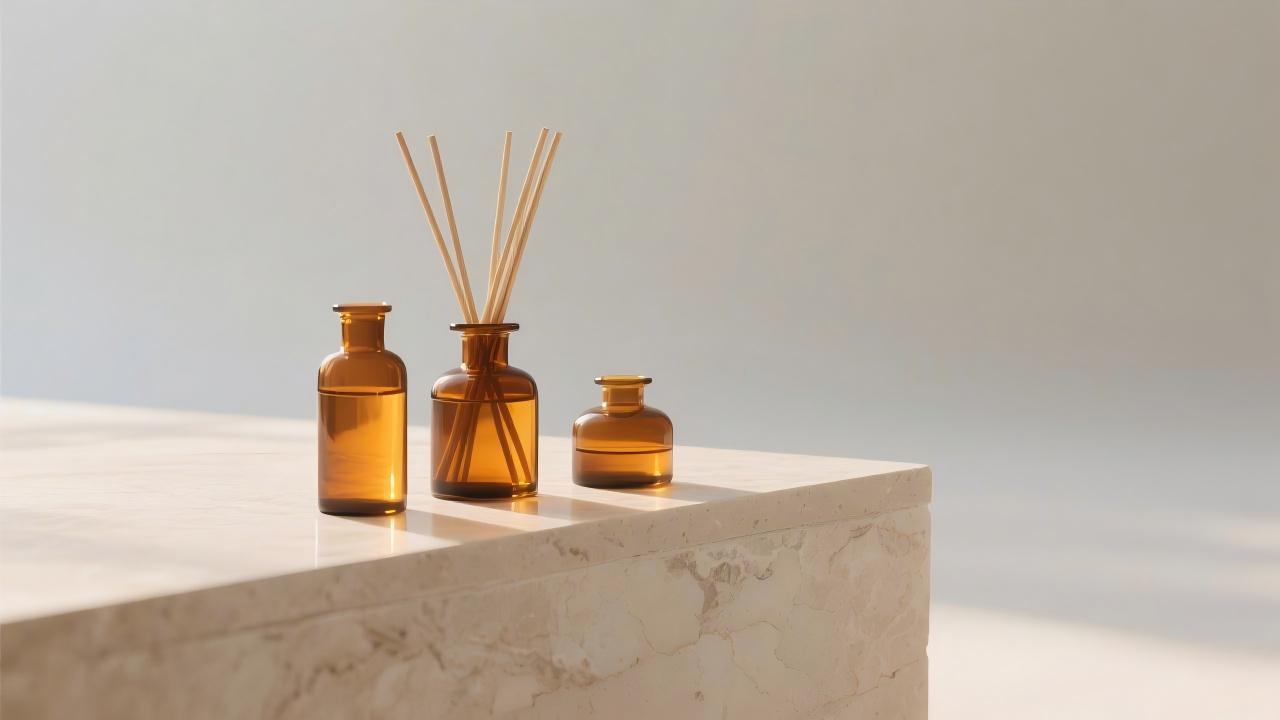
For fragrance and home décor brands, diffuser bottles are more than containers. They influence scent diffusion, brand perception, shelf presence, and even repeat purchase behavior. Yet many brands approach diffuser bottle customization with only surface-level decisions—choosing a shape or color without fully understanding how size, glass thickness, finish, and branding methods affect cost, production, and long-term scalability. As a factory-direct glass packaging manufacturer, we work with brands at every stage—from first-time launches to global bulk programs. This guide breaks down diffuser bottle customization in a clear, practical way, so you can make confident decisions that align with both branding and manufacturing realities. 1. Choosing the Right Diffuser Bottle Size Size selection is the foundation of diffuser bottle design. It impacts fragrance longevity, packaging cost, and target market positioning. Common diffuser bottle sizes include: Smaller bottles are ideal for entry-level products or seasonal releases, while larger formats communicate luxury and longer-lasting value. From a factory perspective, standard sizes typically offer: Custom capacities are possible, but brands should confirm minimum order quantities and tooling requirements before committing. 2. Glass Color Options and Their Impact Glass color affects both aesthetics and fragrance performance. Popular diffuser bottle colors include: Beyond appearance, darker glass helps reduce light exposure, which can be beneficial for fragrance stability—especially for essential oil–based diffusers. When selecting colors, brands should also consider: Factory-made colored glass offers better durability than sprayed finishes, particularly for high-volume programs. 3. Surface Finishes That Elevate Brand Value Surface finish is one of the most underrated customization elements, yet it dramatically changes how a diffuser bottle feels in hand. Common finishes include: Frosted finishes are especially popular in the fragrance market because they: From a manufacturing standpoint, finishes should be selected based on durability, cost, and branding method compatibility—not visuals alone. 4. Branding Options: From Minimal to…
 February 8, 2026
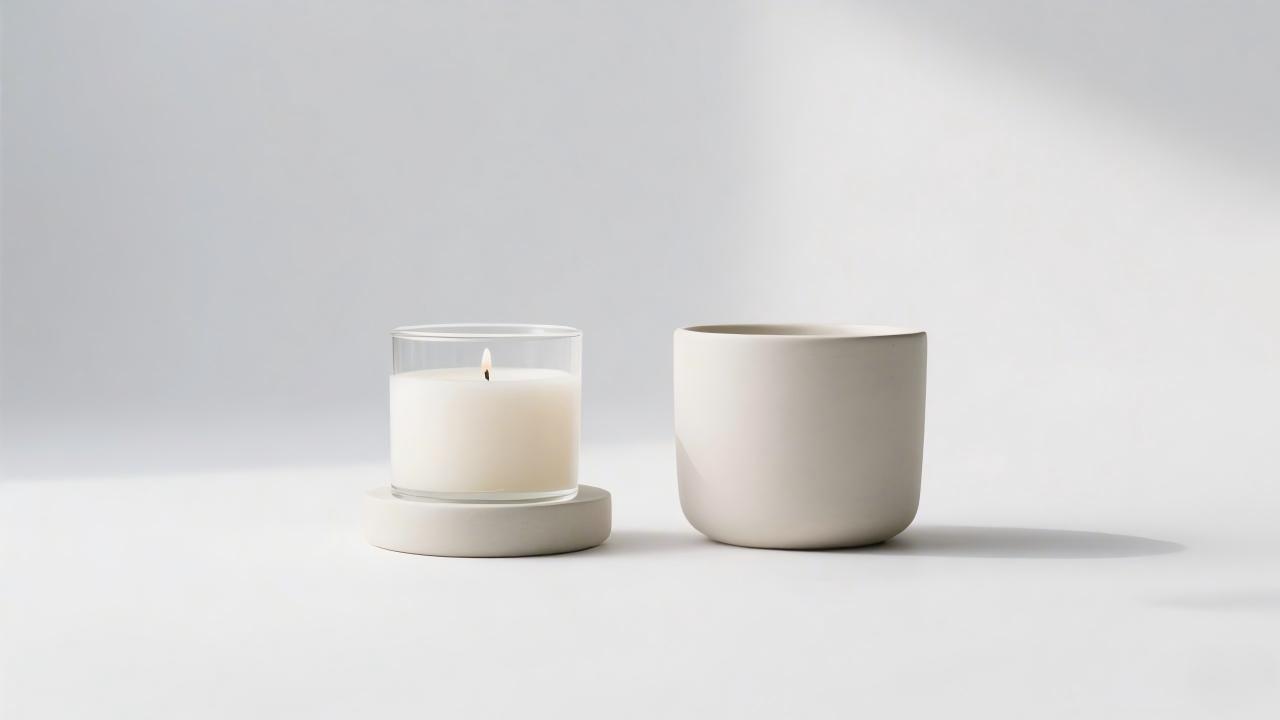
Introduction: Why Candle Containers Matter More Than You Think When building a candle brand, fragrance and wax formula often get most of the attention. But in reality, the glass container plays an equally critical role in how customers perceive your product. From shelf appeal and burn performance to shipping cost and brand positioning, the choice between a candle jar and a candle vessel can directly impact your margins and long-term scalability. At our factory, we work closely with candle brands worldwide—ranging from boutique studios to large-scale private label programs. One of the most common questions we hear is: “What’s the real difference between a candle jar and a candle vessel, and which one should I choose?” This guide breaks it down clearly, practically, and honestly. What Is a Candle Jar? A candle jar is a functional glass container designed primarily for mass production, consistency, and repeat orders. Common Characteristics of Candle Jars Most candle jars are produced in clear, amber, frosted, or colored glass, with capacities ranging from 4oz to 16oz, making them ideal for retail collections. When Candle Jars Make Sense Candle jars are best for brands that prioritize: If your brand focuses on mid-range pricing, frequent restocks, or private-label distribution, candle jars are often the most practical choice. 👉 Internal link suggestion: Candle Jar Category Page What Is a Candle Vessel? A candle vessel goes beyond basic function—it’s part of the product experience itself. Defining Features of Candle Vessels Candle vessels are commonly used by luxury, design-led, or lifestyle brands where packaging is part of the storytelling. Typical Use Cases 👉 Internal link suggestion: Candle Vessel Category Page Candle Jar vs Candle Vessel: Key Differences at a Glance 1. Design & Appearance Candle jars are minimal and uniform. Candle vessels are expressive and design-forward. If your goal is…
Back to Top