IntroductionFor DTC perfume brands and procurement leads: a bottle is more than packaging—it’s part of the fragrance, the filling line, and the unboxing experience. Below are seven practical factors to evaluate when sourcing luxury glass bottles in bulk, with clear acceptance checks and image suggestions you can use directly on a product page or supplier brief.
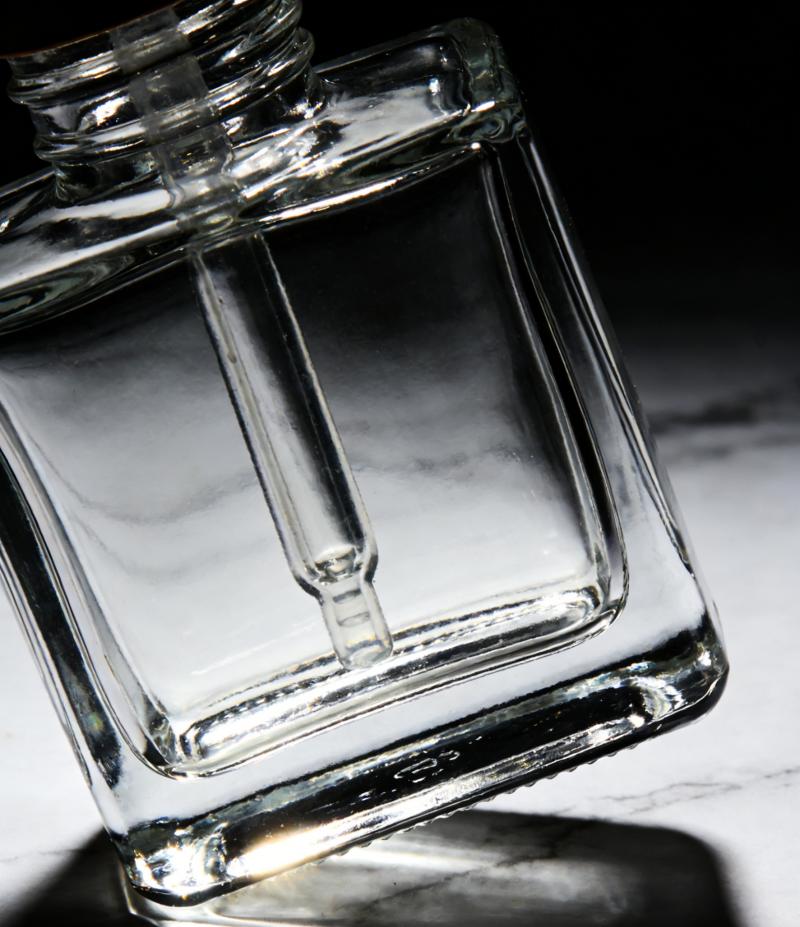
Glass Clarity and Material Grade
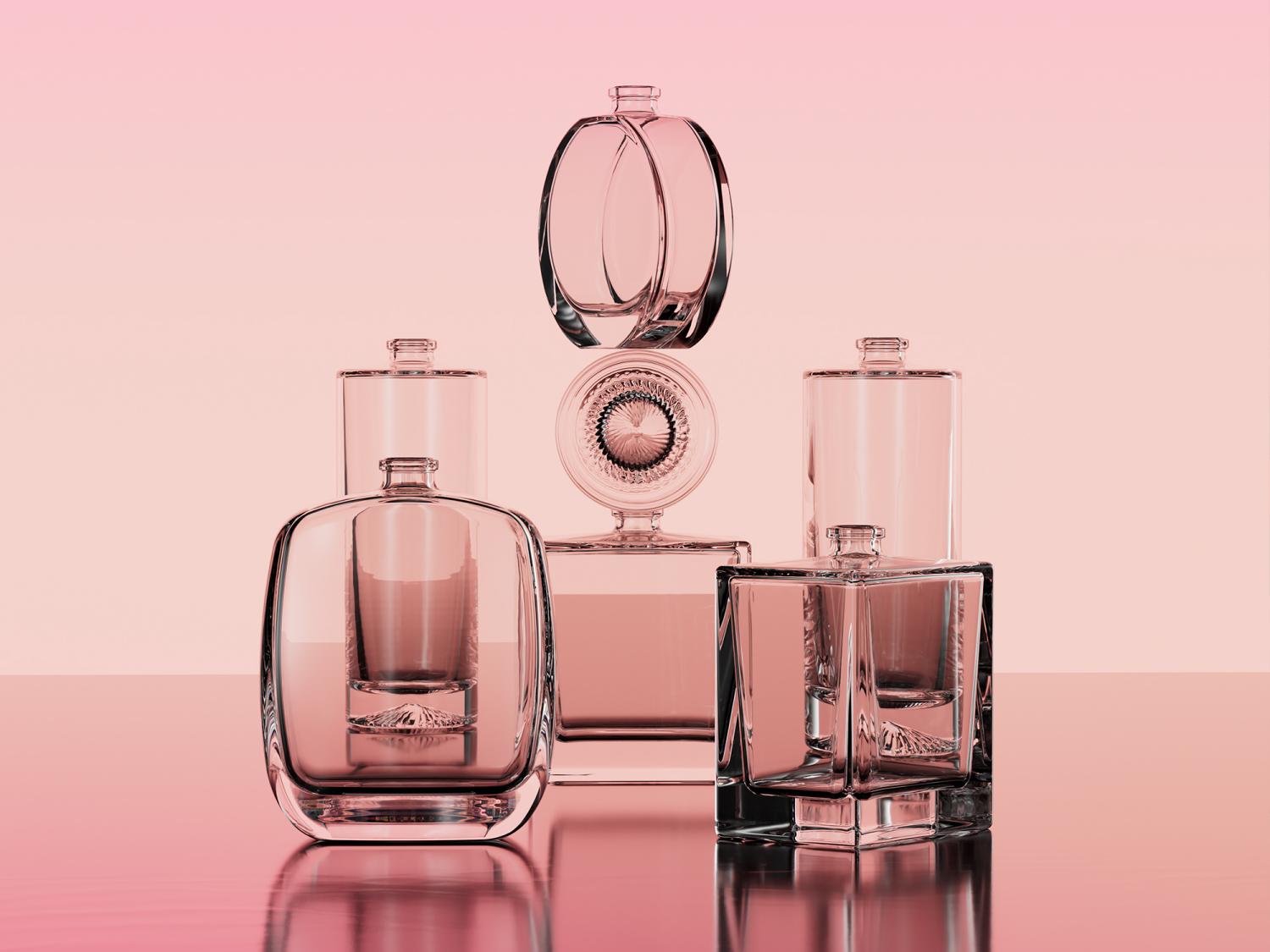
Why it matters: Low-iron glass gives the high transparency and pure color expected in luxury bottles; material impurities, bubbles, and color casts undermine perceived quality. Wall thickness uniformity affects optical clarity and drop resistance.
Actionable checks: Request a material certificate (composition/low-iron spec); inspect samples backlit at ~3 meters for bubbles, striae, and color banding; measure wall-thickness variance across 10 points (target variance ≤ ±0.15 mm as a guideline).
Image suggestion: Three backlit photos — standard glass vs low-iron vs defective sample.
Compatibility with Pump and Cap
Why it matters: Poor fit causes leaks, misfires, and returns. Sealing surfaces and gasket materials must be compatible with your fragrance formula.
Actionable checks: Verify neck finish (e.g., 15/400, 13/425) and thread profile against pump/cap specs; run 100-cycle spray and drop tests; soak samples with formula for 72 hours to check chemical compatibility of gaskets/liners.
Image suggestion: Cross-sectional shot showing neck, gasket, and pump interface; infographic of the spray test setup.
Customization Capability vs. Scalability
Why it matters: Heavily customized finishes (multicolor coatings, hand-polished facets, metal collars) raise tooling costs, MOQ and lead time. Balance brand desirability with repeatable production.
Actionable checks: Get tooling cost, MOQ, per-unit cost at target volumes (e.g., 1k / 5k / 10k); request first-article photos and a short pre-production run (100–500 units) to verify finish consistency.
Image suggestion: Side-by-side of prototype vs mass-run batch highlighting finish consistency.
Precision in Neck Finish and Tolerances
Why it matters: Small variations in neck OD/ID or finish angle cause alignment issues, spray disruption or cap misfit. Precision ensures smooth filling and sealing.
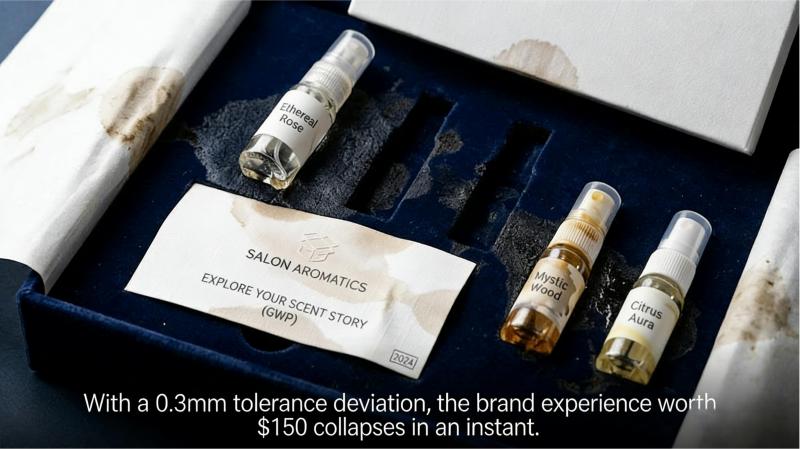
Actionable checks: Specify dimensional tolerances (example: neck OD ±0.05–0.10 mm, concentricity tolerance ≤ 0.15 mm) and require Cpk data or sample gauge reports; include a 50-unit measurement report from the supplier before bulk run.
Image suggestion: Macro photo with callouts for neck OD, ID, thread pitch, and plated collar.
Weight and Hand‑Feel
Why it matters: Weight communicates luxury; balance between heft and practicality affects shipping cost and user comfort. Center-of-gravity and base thickness influence stability.
Actionable checks: Define target filled and empty weights; test hand-feel with blind panel (5–10 reviewers) and record stability/drop tests; verify base thickness and center-of-gravity on samples.
Image suggestion: Lifestyle shot showing scale/hand to convey heft and stability test photos.
Quality Control and Regulatory Compliance
Why it matters: Components and coatings must meet regulatory standards (REACH for EU, other regional restrictions) and be free of prohibited substances that could alter scent or harm users. Consistent QC reduces rejects and recalls.
Actionable checks: Request certificates: REACH declarations, MSDS for coatings/liners, and material composition reports. Define AQL for visual defects (typical AQL 1.5–2.5 for luxury lines) and require pre-shipment inspection reports with photos. Include compatibility testing with fragrance formulas (migration, discoloration).
Image suggestion: QC checklist graphic and sample compliance certificates.
Logistics Risk Management
Why it matters: Glass is fragile—packaging, palletization, transit conditions and insurance drive landed cost and on-time availability. Temperature and humidity can affect coatings and adhesives.
Actionable checks: Confirm supplier packaging specs (inner cushioning, carton strength, pallets per carton); require ISTA or drop-test reports; define Incoterms, lead time variability, buffer stock policy and insurance terms. Run a pilot shipment to your warehouse to validate packaging.
Image suggestion: Packaging cross-section, pallet layout, and a photo of a pilot shipment unpacking.
Ready to source bottles that match your brand’s quality and production needs? request a 5–10 unit sample run to test fit and finish, or get a tailored quote for your target volume. Click “Request Samples” or contact our sourcing team to submit your spec—we’ll return a production-ready estimate and next steps within 48 hours. Start your sample request now to avoid costly surprises down the line.