Choosing the right candle jar is more than a design decision—it’s a strategic one. The jar you select affects not only how your candle looks on the shelf, but also how it performs, how customers perceive your brand, and how efficiently you can scale production.
For fragrance and home décor brands sourcing directly from manufacturers, the options can feel endless: different glass types, shapes, sizes, finishes, and customization paths. What works for one brand may be completely wrong for another.
This guide breaks down how successful candle brands choose candle jars from a practical, factory-informed perspective—balancing aesthetics, function, cost, and long-term growth.
1. Start With Your Brand Positioning
Before looking at jar sizes or glass thickness, clarify one thing: where does your brand sit in the market?
- Is your candle line minimal and modern?
- Is it decorative and gift-focused?
- Is it luxury, artisan, or everyday lifestyle?
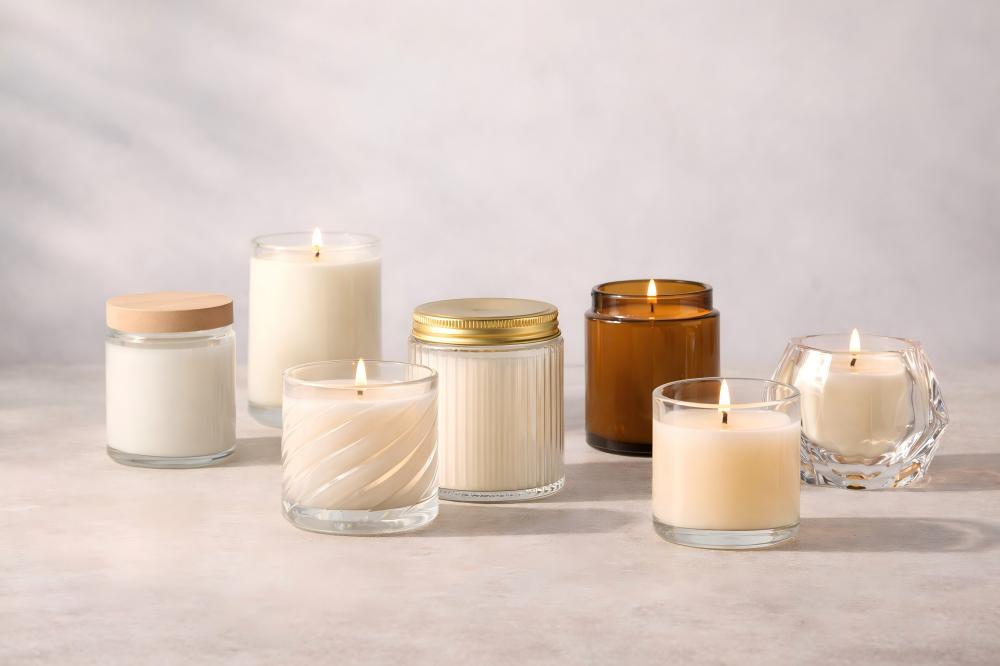
Mass-market brands tend to favor clean, straight-sided glass jars that feel familiar and versatile. Premium or décor-driven brands often choose heavier glass, unique silhouettes, or sculptural vessels that double as home accents.
Your candle jar should visually support your price point. A $15 candle in an overly heavy luxury vessel can hurt margins, while a $60 candle in a thin, lightweight jar can undermine perceived value.
2. Choosing the Right Candle Jar Size
Jar size impacts everything—from burn time to shipping costs.
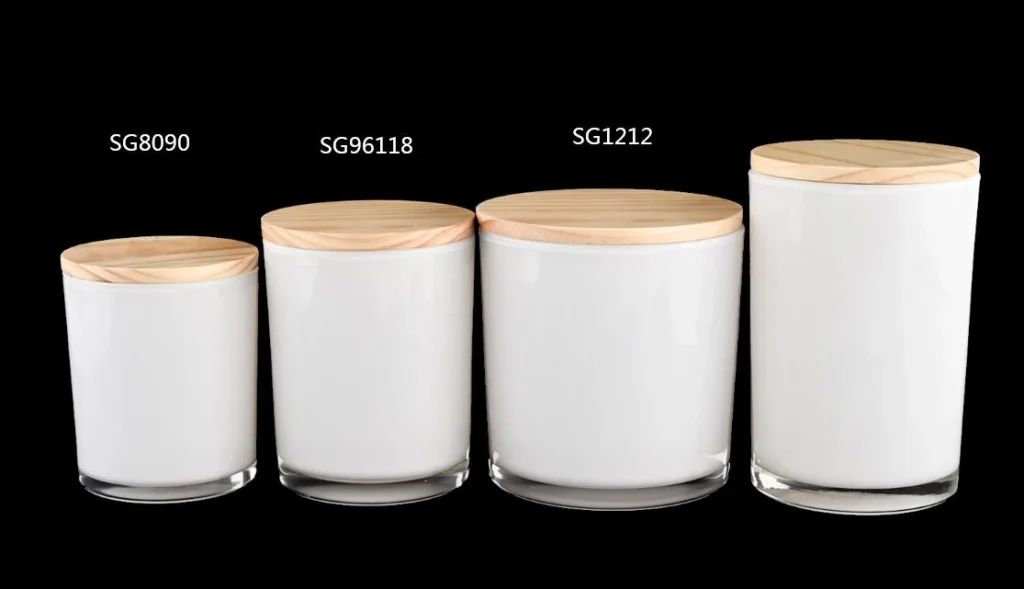
Common candle jar sizes include:
- 4–6 oz: Travel candles, sampling programs, or gift sets
- 7–9 oz: The most popular size for retail candle brands
- 10–12 oz: Statement candles or higher-end collections
- 14 oz and above: Luxury, decorative, or multi-wick designs
Larger jars offer longer burn times but require more wax, stronger jars, and higher freight costs. Many brands start with a standard 7–9 oz jar to balance performance, price, and logistics, then expand once demand is proven.
From a sourcing perspective, standard sizes also allow faster lead times and lower minimums when ordering wholesale.
3. Glass Thickness and Weight Matter More Than You Think
Glass thickness isn’t just about “feel”—it directly affects safety and performance.
Thicker glass:
- Handles heat better during long burn cycles
- Feels more premium in hand
- Reduces breakage during shipping
Lighter glass:
- Lowers shipping costs
- Works well for minimalist or high-volume brands
- Requires stricter quality control for consistency
For most retail candle brands, medium-to-heavy wall thickness offers the best balance between durability and cost. Decorative candle vessels may intentionally use extra-thick glass to create visual weight and luxury appeal.
4. Straight Jars vs. Decorative Candle Vessels
Straight-sided candle jars remain the industry standard for a reason:
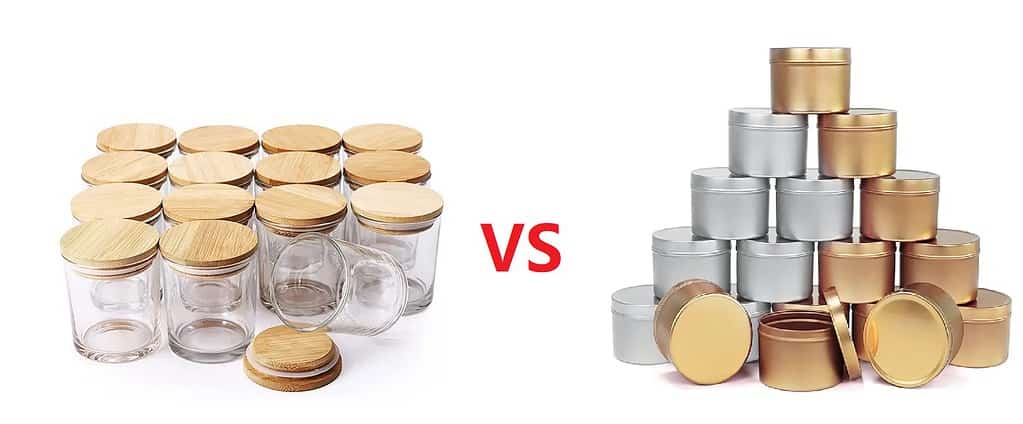
- Easy to label
- Efficient to manufacture
- Compatible with most lids
- Consistent burn behavior
However, candle vessels with curves, textures, or custom shapes are increasingly popular for brands that want to stand out visually—especially in home décor and gift-focused markets.
Decorative vessels work best when:
- The candle is part of a lifestyle or interior design concept
- The jar is intended to be reused after the candle burns out
- Branding relies more on form than labeling
The tradeoff is higher tooling cost, longer development time, and higher MOQs—making them better suited for established brands rather than first launches.
5. Clear vs. Colored Glass Candle Jars
Clear glass remains the top choice for many brands because it:
- Shows wax color clearly
- Works with any fragrance theme
- Keeps production flexible
Colored glass—such as amber, frosted, smoky gray, or matte black—adds mood and personality, especially for seasonal or signature collections.
From a manufacturing standpoint:
- Clear glass is the most cost-effective and widely stocked
- Custom colors usually require higher minimums
- Consistency matters more with darker or opaque finishes
If your brand values flexibility, starting with clear jars and customizing through labels or lids is often the smartest move.
6. Lid Compatibility and Closure Options
While this article focuses on jars, lids are part of the equation.
Popular candle lid options include:
- Metal screw lids (black, gold, silver, white)
- Wooden lids
- Glass lids
Make sure the jar finish matches readily available lid options. Custom neck finishes limit flexibility and increase costs.
Many brands underestimate how much the lid contributes to the final look—and the unboxing experience.
7. Stock vs. Custom Candle Jars
This is where sourcing strategy becomes critical.
Stock candle jars are ideal if you:
- Want faster production
- Need lower MOQs
- Are testing the market
- Prioritize flexibility
Custom candle jars or vessels make sense when:
- Your volume supports tooling investment
- Brand differentiation is a priority
- You want exclusive designs competitors can’t copy
A common growth path is starting with stock jars and transitioning to custom vessels once sales stabilize.
Before applying these selection criteria, ensure you aren’t over-engineering a simple product. Sometimes a functional [Candle Jar vs. Candle Vessel] distinction can save you 20% in production costs.
Now that you know what to look for—from rim thickness to base stability—find the suppliers who actually meet these high standards: [2026 Directory: Top 10 Luxury Candle Jar Manufacturers].
8. Practical Manufacturing Considerations Brands Often Miss
Experienced brands look beyond appearance and ask questions like:
- How consistent is the glass thickness batch to batch?
- What is the acceptable tolerance for weight and height?
- How is quality control handled?
- Can the factory support scaling without changing suppliers?
Working directly with a factory allows better control over these factors—especially for brands planning long-term growth.
9. Sustainability and Reusability
Consumers increasingly value sustainability. Candle jars that can be reused as storage, planters, or décor pieces add perceived value and encourage repeat purchases.
Heavy glass vessels, neutral shapes, and timeless finishes support reuse far better than overly branded or novelty designs.
10. Turning Candle Jars Into a Scalable Packaging System
The most successful candle brands think in systems, not single SKUs.
That means choosing jars that:
- Work across multiple fragrances
- Share lid styles and packaging components
- Can be expanded into new collections easily
Consistency reduces costs, simplifies logistics, and strengthens brand identity.
Final Thoughts
Choosing the right candle jar isn’t about chasing trends—it’s about aligning design, function, cost, and growth strategy.
Whether you’re launching your first candle line or scaling an established brand, working with a factory-direct glass manufacturer gives you more control over quality, customization, and long-term supply stability.
The right candle jar doesn’t just hold wax—it supports your brand’s story, performance, and future.