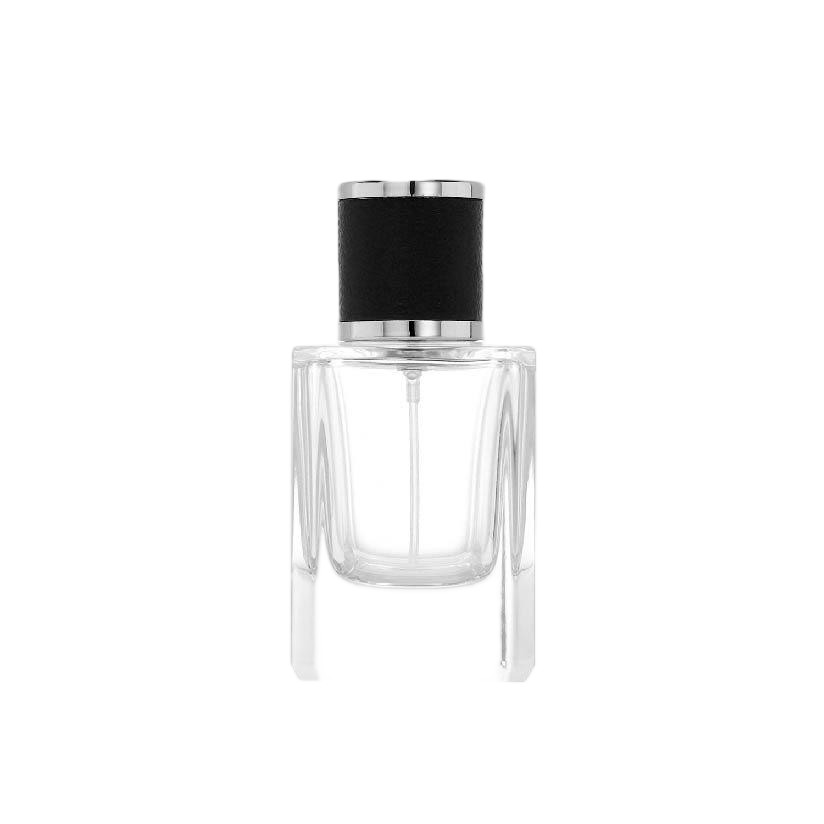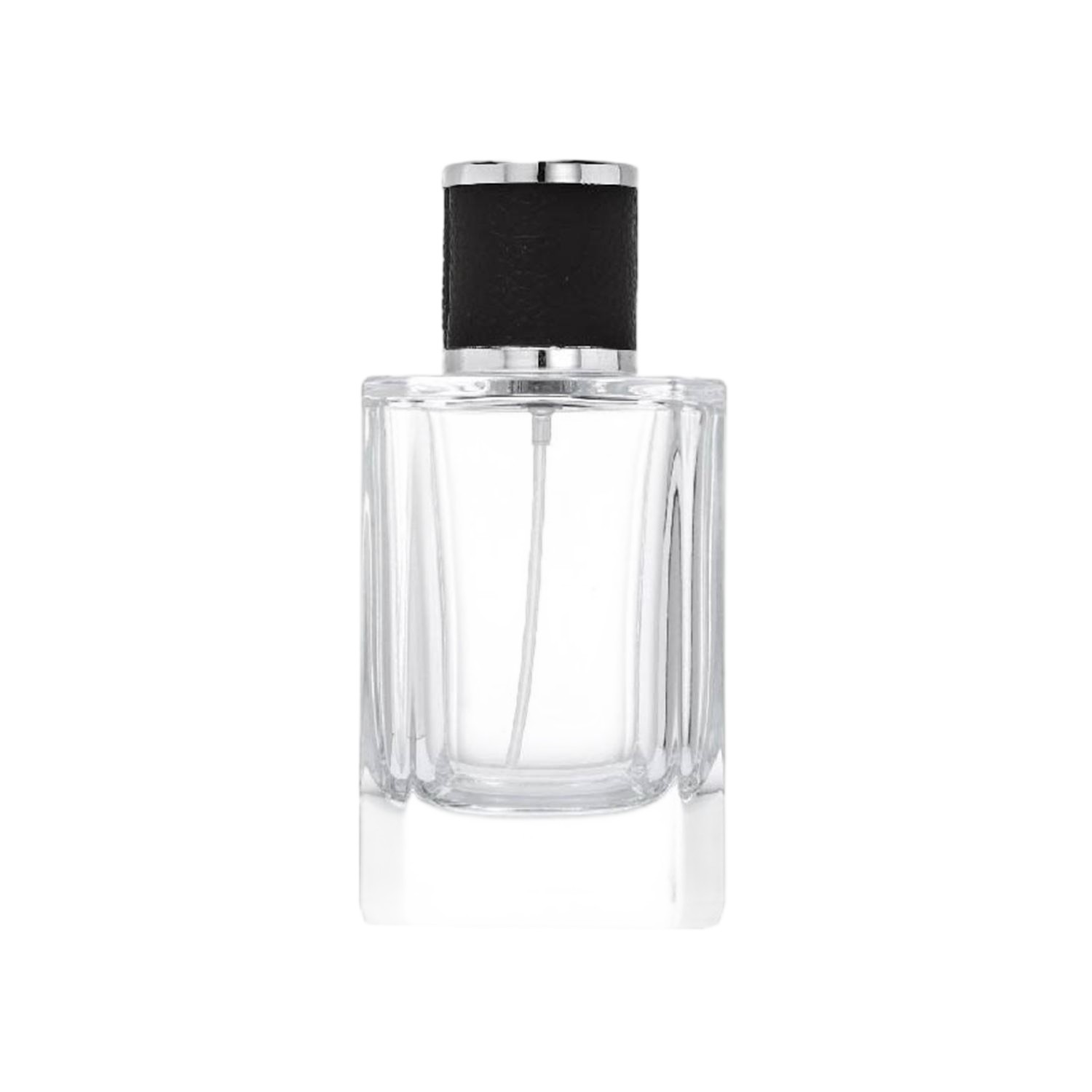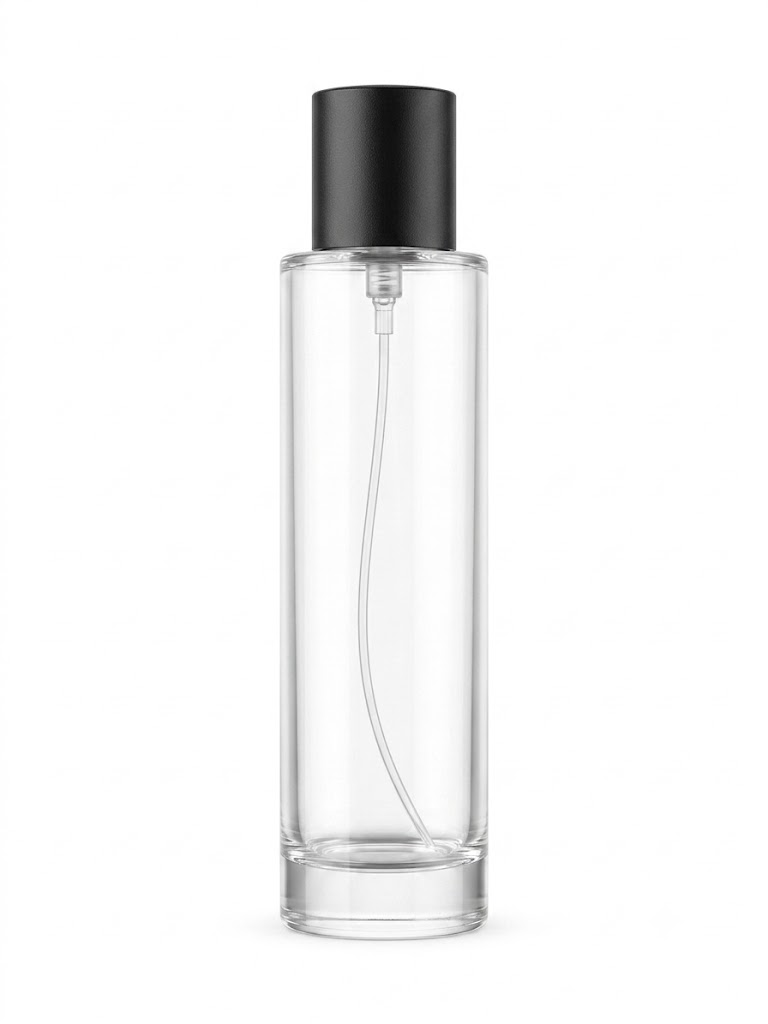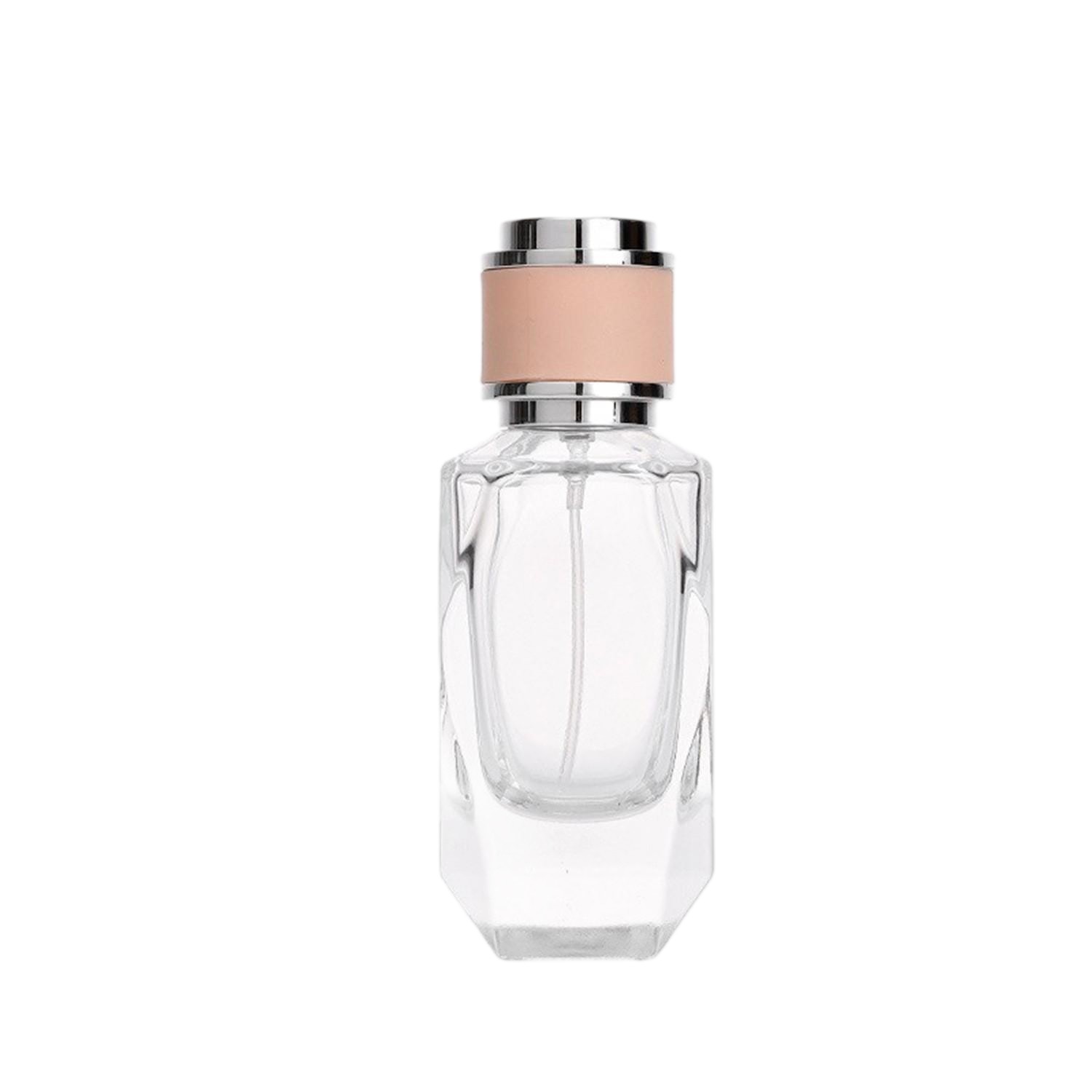
BEYOND THE GLASS: Engineering Perceived Value in Luxury Fragrance Packaging – Technical Analysis (Model STD068)
In high-end perfumery, the primary packaging is a critical engineering component. For procurement directors, the challenge is reconciling aesthetic “luxury” with rigid technical tolerances. Market data proves that consumer perception of product value is heavily indexed to the physical vessel—specifically its mass and clarity.
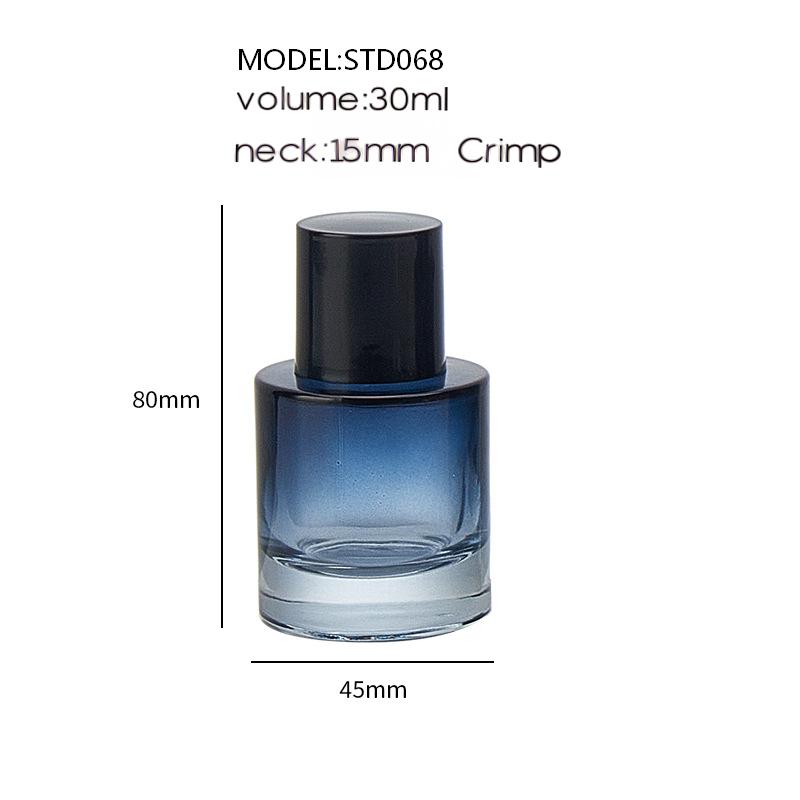
This brief analyzes the engineering standards of the 30ml heavy-base round fragrance bottle (Model STD068) and establishes a framework for comparing Tier 1 standards against common wholesale alternatives.
1. Material Physics: Parison Control and Optical Clarity
The “heavy base” (parison) is a structural requirement for stability. Increasing mass at the base lowers the center of gravity, but also dictates perceived quality.
- Refractive Index: Luxury glass must be true flint. High-end manufacturing minimizes iron oxide to prevent the green/yellow tint found in budget glass.
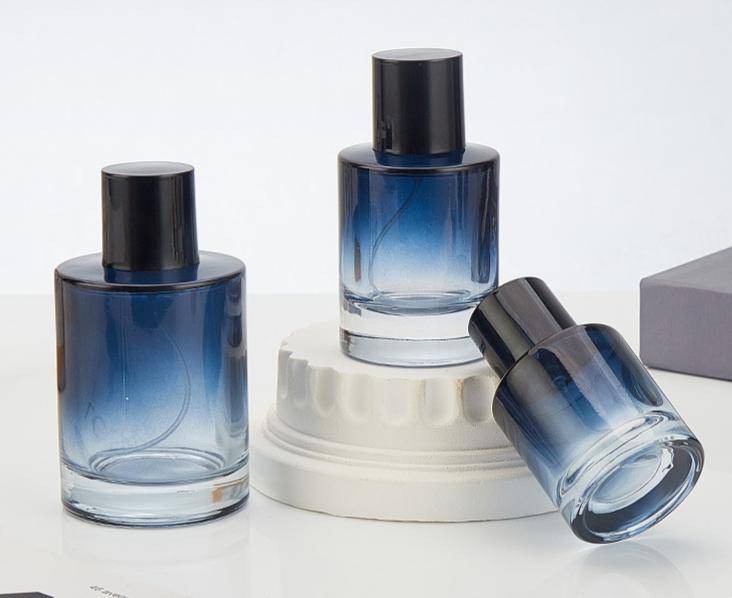
- Gradient Integrity: Model STD068 utilizes a Clear-to-Dark Blue Gradient. For the gradient to be successful, the base material must exhibit zero color distortion. Inferior glass distortions are magnified by the coating, resulting in a “muddy” finish.
2. Technical Specification Analysis: Model STD068
To ensure seamless production, Model STD068 adheres to strict ISO tolerances.
2.1 Geometric and Volumetric Integrity
- Capacity: 30ml (nominal).
- Dimensional Tolerance: +/- 1.0mm. Inconsistent dimensions lead to misalignment in secondary packaging (cartons) and varying fill levels on the production line.
- Stability: Controlled parison distribution ensures a weighted, premium feel without internal stress points that cause breakage during capping.
2.2 The Neck Finish: A Zero-Failure Zone
The 15mm Crimp Neck is the most frequent failure point in the industry.
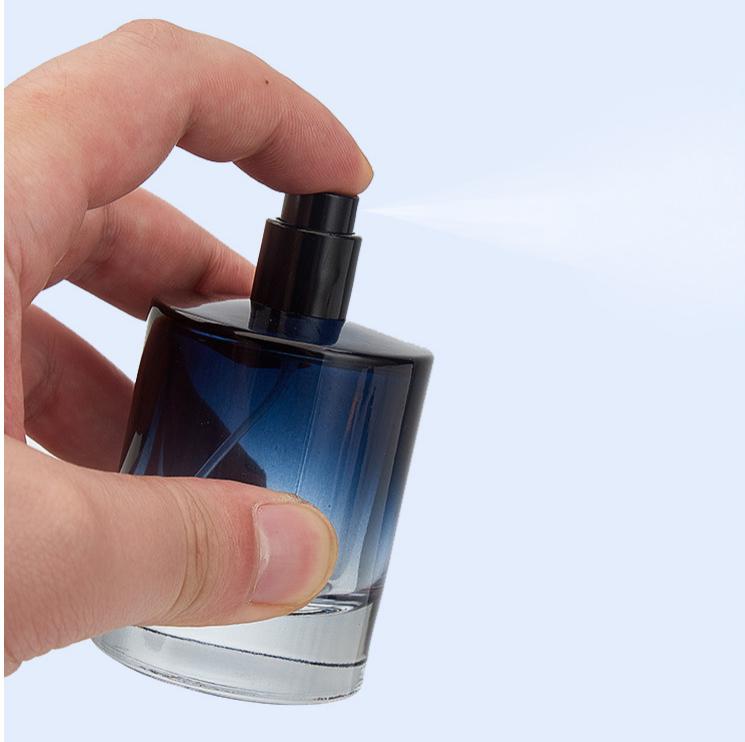
- Tolerance Precision: A 15mm crimp requires +/- 0.2mm accuracy. Out-of-tolerance necks lead to Failure to Seal (leakage/evaporation) or Pump Misalignment (crooked caps).
- Inspection: STDGLASS utilizes automated optoelectronic inspection at both hot and cold ends. Manual batch sampling used by brokers is statistically incapable of guaranteeing 100% compliance.
3. Procurement Reality: Vendor Comparative Analysis
Selecting a supplier is a risk-management decision. While Tier 1 legacy factories offer quality, their 12-month lead times kill market momentum. Conversely, low-tier brokers invite brand devastation through technical failure.
Table 1: Technical Matrix of Glass Sourcing Tiers
| Technical Parameter | Tier 1 Legacy Factories | Common Wholesale Brokers | STDGLASS (Model STD068) |
| Material Quality | High-Flint, low-iron. | Standard flint; tint present. | Guaranteed High-Flint clarity. |
| Base Stability | Precision distribution. | Inconsistent; prone to thin spots. | Engineered Parison weighting. |
| Neck Tolerance | +/- 0.15mm (Optoelectronic). | >5% failure rate (Manual). | +/- 0.2mm (Automated). |
| Coating Adhesion | Multi-stage industrial. | Basic spray; prone to peeling. | Cross-cut tested professional gradient. |
| MOQ / Lead Time | 50k+ units / 6-12 Months. | 5k units / High delay risk. | 10k-20k units / 8-12 Weeks. |
4. Conclusion: Managing Risk in Primary Packaging
Primary packaging is not a commodity; it is the physical encapsulation of your brand’s IP. Choosing a vendor based solely on unit price ignores the catastrophic cost of a leaking product or a perceived “cheap” vessel.
STDGLASS (Model STD068) provides the technical resolution to this procurement deadlock. We deliver the engineering precision demanded by luxury brands without the structural inefficiencies of legacy MOQs. For brands that cannot afford a technical compromise, this is the sterile, professional solution.